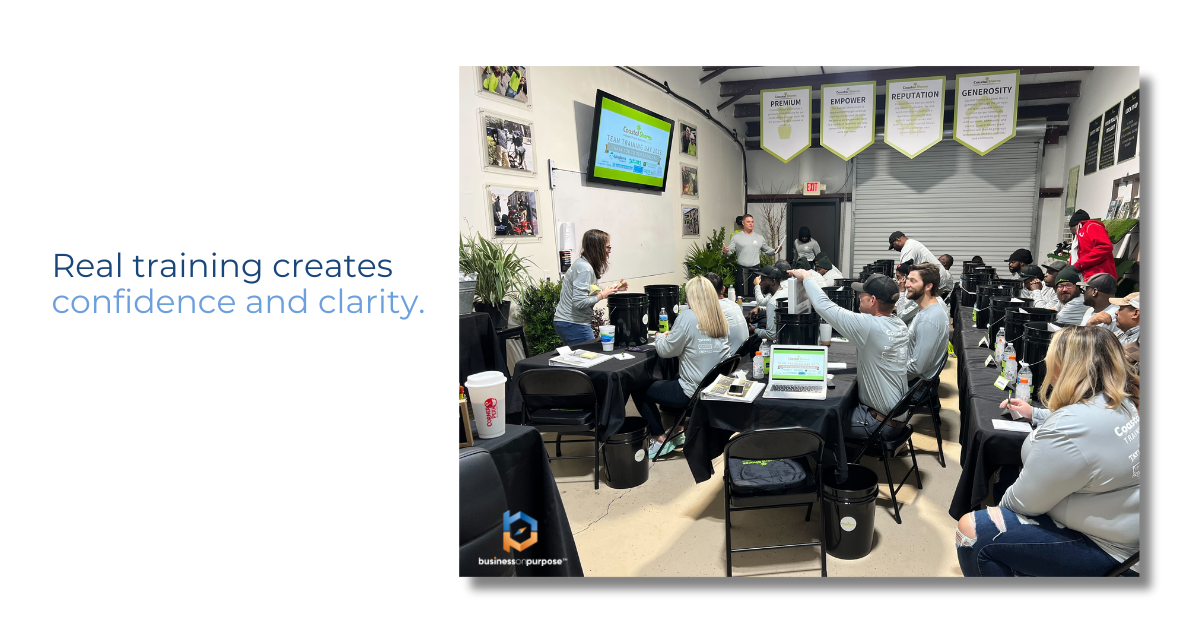
Training your team is not just about improving skills. It is about building confidence, alignment, and clarity across your organization. Too often, business owners find themselves re-explaining tasks, constantly monitoring progress, or feeling like they have to babysit their team. Effective training shifts the responsibility back where it belongs, onto an equipped, confident, and capable employee.
If you have ever wanted a simpler and clearer way to train your team without micromanaging, you are in the right place. Let’s break down how training programs support employee development and how you can start building one today.
Lead Well.
If you're looking for more resources to work ON your business, we have them.
The Myth of Common Sense
Many small business owners avoid building training systems because they assume it will take too much time or be overly complex. Underneath that hesitation is the common sense myth. This belief says what is obvious to you should be obvious to others. However, people interpret and perform tasks differently, even when they share the same background or experience. This is why intentional training is essential, even for small teams.
The One Silver Bullet: Clarity
If there is one thing that has the greatest impact on team performance, it is clarity. Employees want clarity more than more money or more benefits. They want to know what success looks like, what is expected of them, and how their work connects to the mission of the business. When employees have clarity, they perform better and take ownership.
The Three Stages of Effective Training
- Pre-Hire: Prepare your systems and expectations before hiring.
- Onboarding (First 90 Days): Train and equip your new employee from day one.
- Ongoing Development: Continue building skills, confidence, and alignment over time.
Sports teams and military units train when they are not performing. Business should operate the same way. Without structure, both the employer and the employee feel overwhelmed.
The Tool Belt Analogy
Imagine each employee wearing a tool belt. Some have tools but in the wrong places. Some have the wrong tools. Some have no tools at all. Your training program ensures they receive:
- Organizational charts
- Job role descriptions
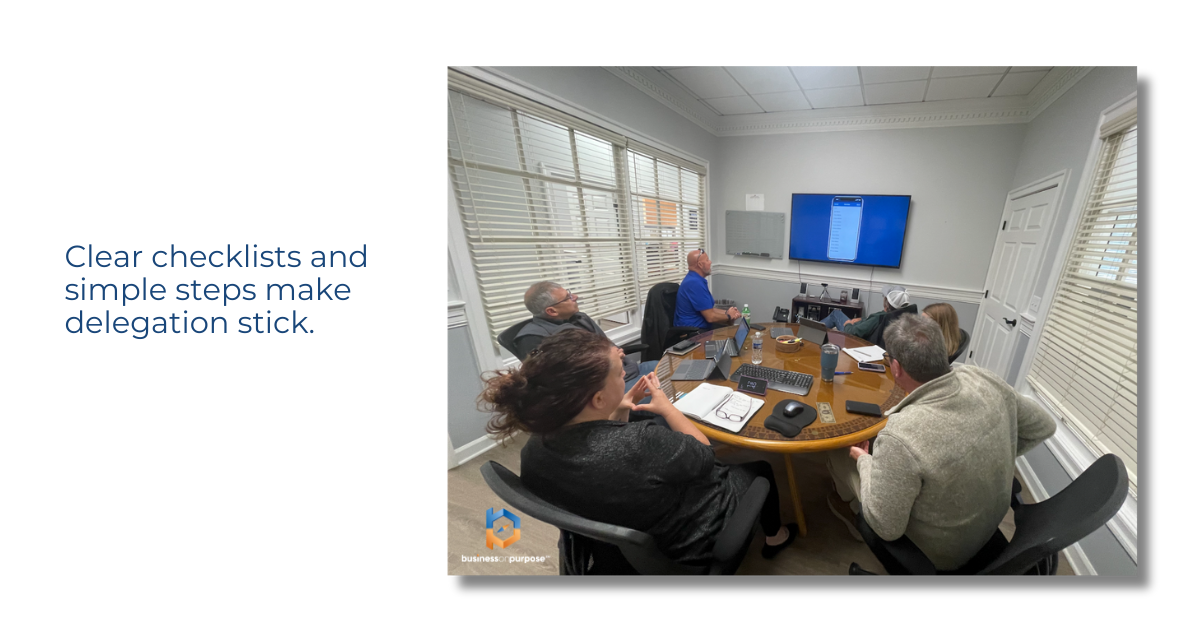
- Onboarding checklists
- Step-by-step workflows
- How-to guides specific to your work
These are knowledge tools. They must be written. If it is not written down, it does not exist.
Why External Training Alone Does Not Work
External training may inspire employees temporarily, but without internal clarity and repetition, motivation fades. Employees need predictability and meaning in their work. They need to be equipped from within your business, not only by outside sources.
Training Improves Retention
When employees feel invested in and equipped, they stay. They are far less likely to seek opportunities elsewhere because they know they will not receive the same level of clarity and confidence anywhere else.
Your First Action Step
Take five minutes and write down every task or responsibility in your business that you wish you did not have to handle yourself. This list becomes the foundation of your training program.
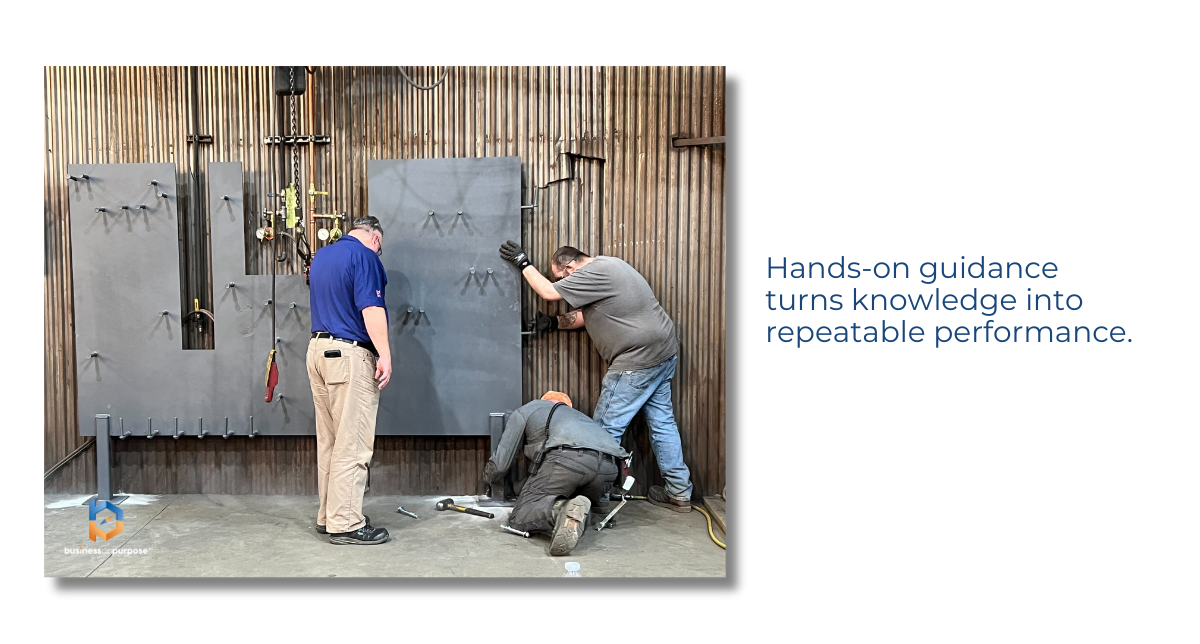
Then use the Model, Assist, Watch, Leave method:
- Model the task
- Assist your employee as they practice
- Watch them do it independently
- Leave and let them own it
What Comes Next
If you want to go deeper into how to onboard and train new employees with confidence, the next step is refining your onboarding process. This is where training connects directly to daily performance.
We liberate business owners from chaos so you can make time for the things that matter most.
Want help implementing a training system?
Schedule a Business Health Check
Scott Beebe is the founder of Business On Purpose (mybusinessonpurpose.com) and speaker for the AEC industry and author of the book Let Your Business Burn: Stop Putting Out Fires, Discover Purpose, and Build a Business That Matters. Business On Purpose works with business owners to articulate purpose, people, process, and profit to liberate owners from chaos and make time for what matters most.