As a business owner, you have probably asked yourself this question more than once: What are the types of employee training my team actually needs?
If you have ever felt frustrated because employees do not do what seems like common sense, or they complete tasks in a way that makes you think, “That is not how we do things around here,” you are not alone.
The good news is this. There is a reason this happens, and there is a clear path forward.
By the end of this article, you will understand the three essential types of employee training every business owner must deliver in order to move from daily chaos to clarity, consistency, and time freedom.
First, Let This Sink In: Common Sense Is a Myth
Before we talk about training, there is one critical mindset shift every business owner must make.
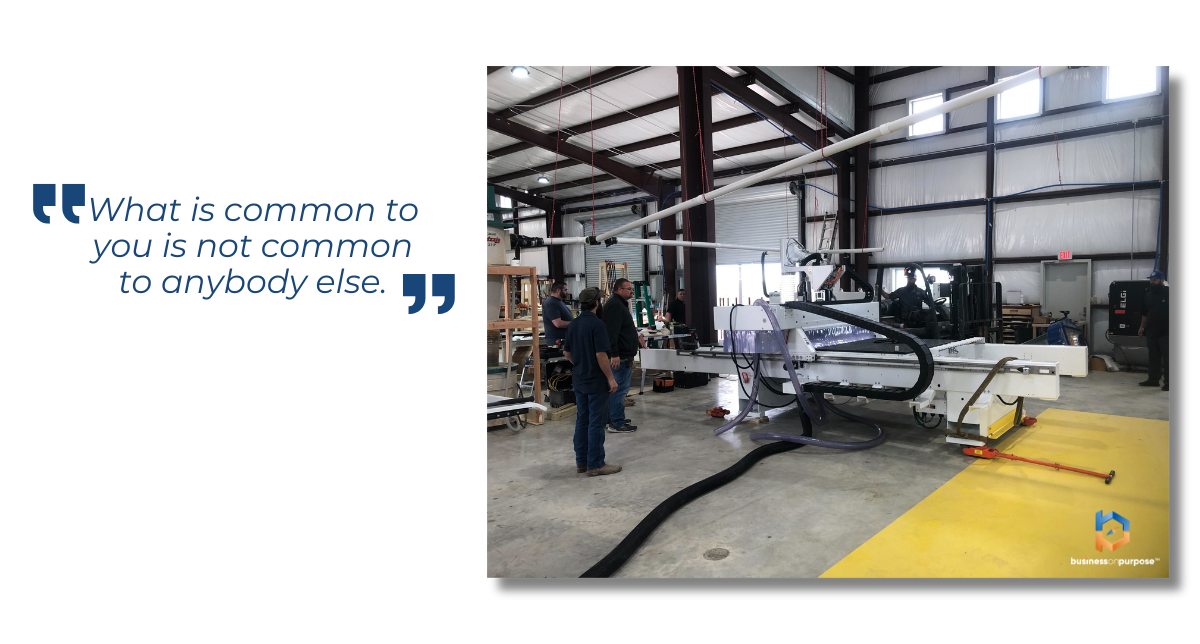
What is common to you is not common to your employees.
You might believe certain processes or behaviors are obvious. But if you lined up ten people with the same job experience and asked them to complete the same task, you would likely get ten different results. Not because they are incompetent, but because they were trained differently or not trained at all.
Lead Well.
If you're looking for more resources to work ON your business, we have them.
This is not a people problem. It is a training problem.
Once you understand that, everything changes.
Type 1: Soft Skills Training
Soft skills training is often the most overlooked and the most uncomfortable for business owners to invest in. Many leaders hesitate because it feels unnecessary or awkward.
Yet it is one of the most important forms of training you can provide.
Soft skills include how employees communicate, listen, respond, write emails, show up on time, and interact with others. In today’s world, many people have been shaped more by technology than by human interaction.
That shows up in the workplace.
Employees avoid eye contact. Conversations feel awkward. Emails sound harsh or confusing. Listening is passive or distracted.
These are not personality flaws. They are untrained skills.
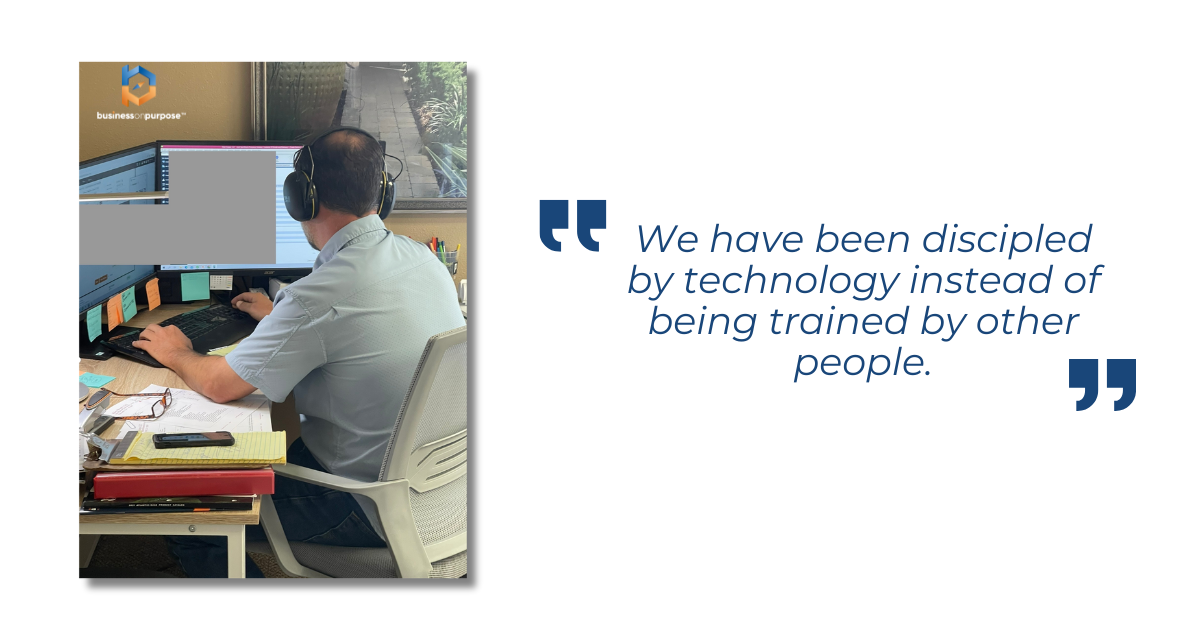
As a leader, part of your role is to intentionally train these skills. That might mean teaching active listening, appropriate tone in written communication, or how to engage in real-time conversations without distractions.
You do not need a PhD or an expensive consultant. Start with a simple exercise.
Write down the behaviors that frustrate you most. Late arrivals. Poor responses. Lack of follow-through. Almost every item on that list will fall under soft skills.
Train those skills intentionally, repeatedly, and predictably throughout the year.
Type 2: Systems Training
The second essential type of employee training is systems training.
This is where most business owners believe they are strong, yet many still struggle with consistency.
Systems training covers the operational processes required to do a job and run the business. These are the step-by-step ways things are done every day.
Think in four core areas:
- Marketing
- Sales
- Operations
- Administration and accounting
Every task under these categories should be clearly defined, documented, and trained.
A simple way to start is to set aside five to ten uninterrupted minutes and list every process that exists under each category. Estimating. Sales scripts. Onboarding. Invoicing. Customer follow-up.
Treat this time like a non-negotiable appointment. When you are unavailable, you are unavailable.
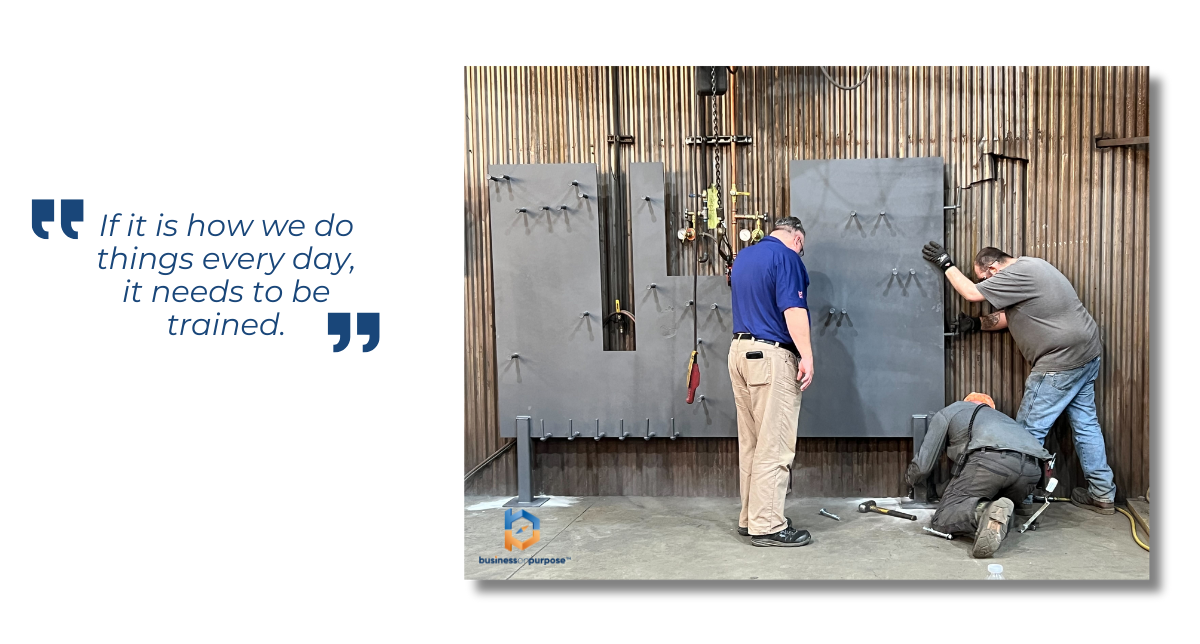
Once processes are documented, training becomes repeatable. New hires ramp faster. Mistakes decrease. Expectations become clear.
This is how businesses scale without burning out the owner.
Type 3: Culture Skills Training
Culture is not bean bag chairs, ping pong tables, or free snacks. Those are perks, not culture.
Culture is built intentionally, whether you choose to build it or not.
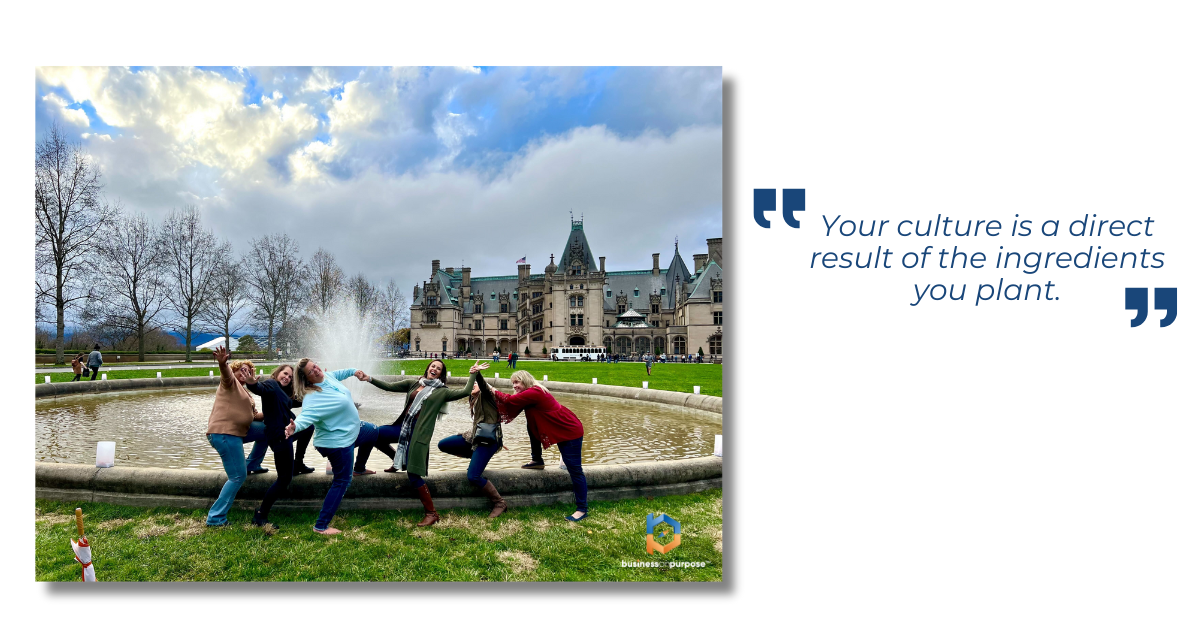
Your workplace culture is the direct result of the ingredients you plant over time. If you do nothing, culture forms by default. If you are intentional, culture becomes a powerful asset.
One of the easiest ways to begin training culture is by using tools you already have.
Your company handbook is a cultural training manual. It defines how people use company credit cards, request time off, handle conflict, and take responsibility. If it is collecting dust, your culture is drifting.
Another powerful tool is a simple annual training calendar. List the weeks of the year across the top and list the cultural behaviors you want to reinforce down the side. Team meetings. One-on-one check-ins. Training topics. Recognition. Values.
Then, week by week, train one small thing.
Culture grows through repetition, predictability, and meaning.
This also includes clearly defined vision, mission, and values.
- Vision is a detailed picture of the future
- Mission explains why you are going there
- Values guide decisions along the way
Review them consistently. Train them regularly. Live them daily.
Why This Matters More Than You Think
Employee training is not busywork. It is leadership.
People depend on the culture and systems you build. Their livelihoods are impacted by how intentional you are with training.
If you want to attract, retain, and grow great people long-term, you must create an environment that equips them to succeed.
That is how you build a business that works without consuming your life.
Your Next Step
If you are ready to take action, start by organizing how you track employee training. A simple system can completely change how consistent and effective your training becomes.
Watch the follow-up resource on how to track employee training in Excel and begin building clarity into your business today.
When you train intentionally, you create freedom for yourself and confidence for your team.
Scott Beebe is the founder of Business On Purpose (mybusinessonpurpose.com) and speaker for the AEC industry and author of the book Let Your Business Burn: Stop Putting Out Fires, Discover Purpose, and Build a Business That Matters. Business On Purpose works with business owners to articulate purpose, people, process, and profit to liberate owners from chaos and make time for what matters most.