Managing your business is about more than running day-to-day operations. It is about protecting and preparing your largest asset for the future.
An unplanned business transition creates a tidal wave of chaos for you, your family, your employees, and even your CPA. Most business owners work their entire lives building something valuable, yet never stop to ask a simple question.
What will people say about your business ten years after you leave it?
Here is another hard truth. Your business already has a succession plan. The government has written one for you. And you are probably not going to like it.
Succession planning and transition planning take work. They require intention. But before diving into the hard work, it is critical to understand the real goal behind the process. When the goal is clear, the effort finally makes sense.
The Third Guarantee in Life
We all know the first two guarantees in life.
Death.
Taxes.
There is a third guarantee that rarely gets discussed.
If you own a business, you will transition it.
At some point, whether by choice or by circumstance, your business will change hands. The good news is this does not have to be a surprise. When you acknowledge that transition is inevitable, you can stop reacting and start planning.
Succession planning is about deciding how that transition happens instead of waking up one day realizing it already did.
The First Goal: Building a Legacy
Most people want to leave a legacy, even if they never use that word.
Legacy is not just about money. It is about impact.
Years ago, I hosted a weekly gathering for young men. We played games, shared meals, and talked honestly about life. Once a year, we walked through an old graveyard near our neighborhood. Many of the gravestones dated back to the 1800s.
One of the young men pointed out something that stuck with me. Between the birth date and the death date on every stone was a dash.
That dash represents an entire life.
Lead Well.
If you're looking for more resources to work ON your business, we have them.
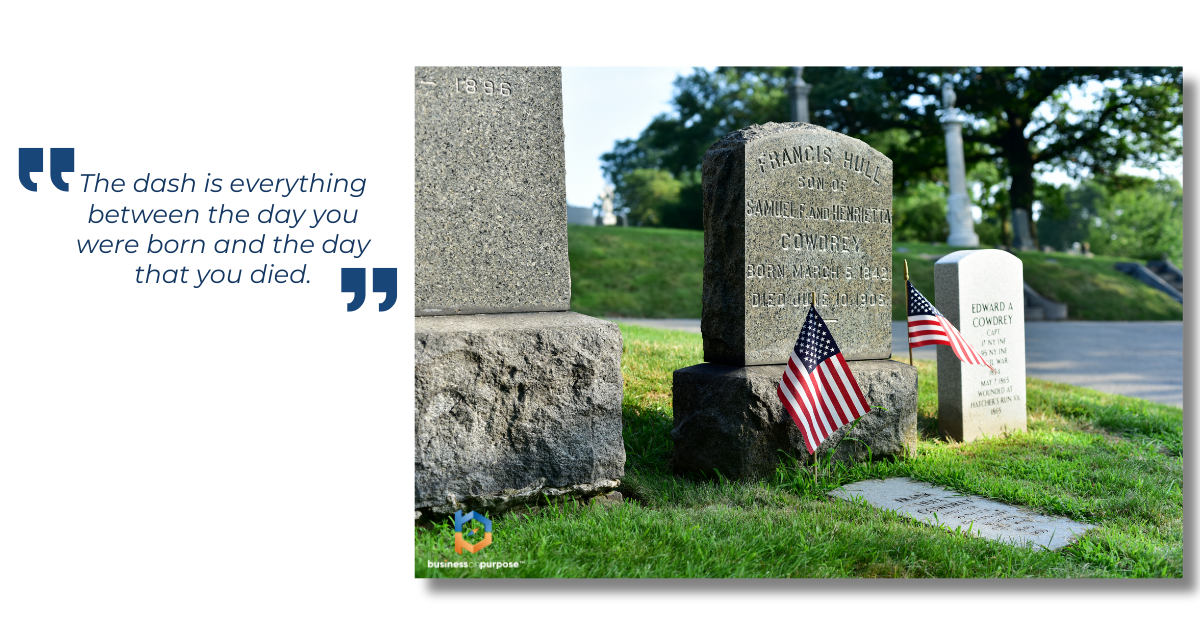
When you build a business, you are adding meaning to that dash. Succession planning forces you to ask a deeper question.
What do you want your business to represent after you are gone?
A succession plan turns a business from a paycheck into a legacy that creates value for others long after you step away.
The Second Goal: Eliminating Chaos and Creating Clarity
Clarity is the single greatest gift you can give your team.
More than pay, more than flexibility, more than perks, employees want clarity. Many people say no one wants to work anymore. That is not true. People want to work hard, but they do not want to work in chaos.
Today’s workforce has options. If they cannot find the job they want, they can create one.
As business owners, that means we must create environments that attract people instead of repel them. Succession planning helps you do exactly that by defining direction, decision-making, and leadership continuity.
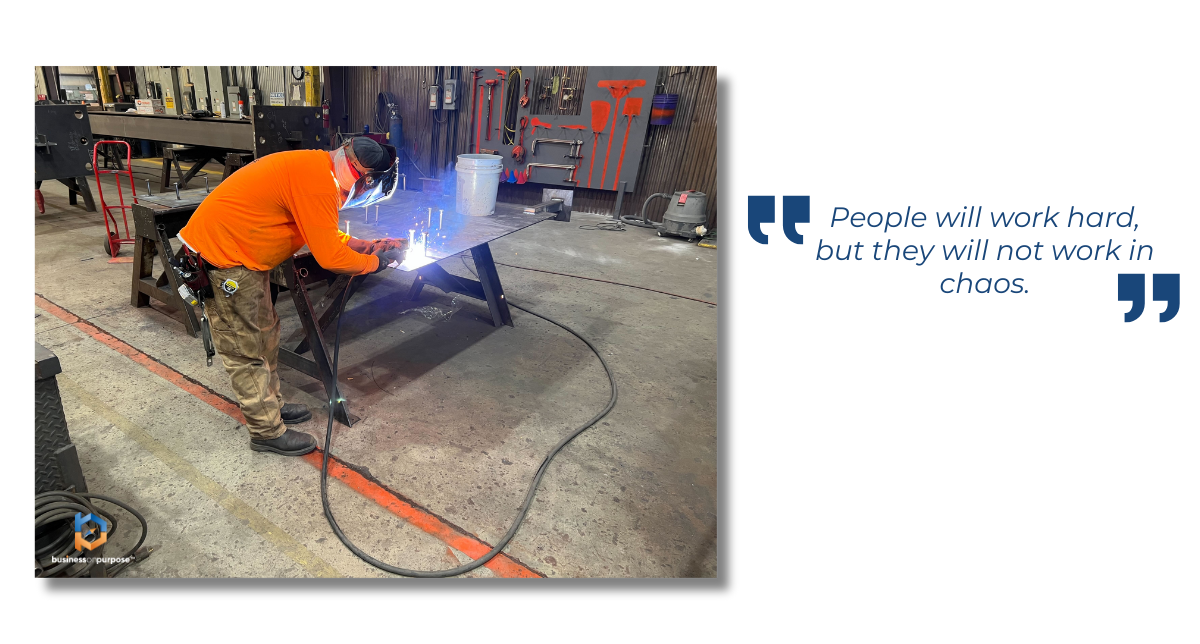
Think of your business as a stage. When the stage is set with clarity, people can step into their roles and perform at their best. That clarity becomes part of your legacy.
The Third Goal: Creating and Maximizing Value
Succession planning is not just about who takes over. It is about increasing the value of what you are handing off.
According to the Exit Planning Institute, there are five stages of building business value.
- Identifying the value of your business through a valuation.
- Protecting the value by closing legal, financial, and insurance gaps.
- Growing the value through systems and scalability.
- Harvesting the value through a sale, partial sale, ESOP, or internal transition.
- Managing the value after liquidity.
Most business owners live in the first three stages. Identifying, protecting, and growing value sets the foundation for a successful transition.
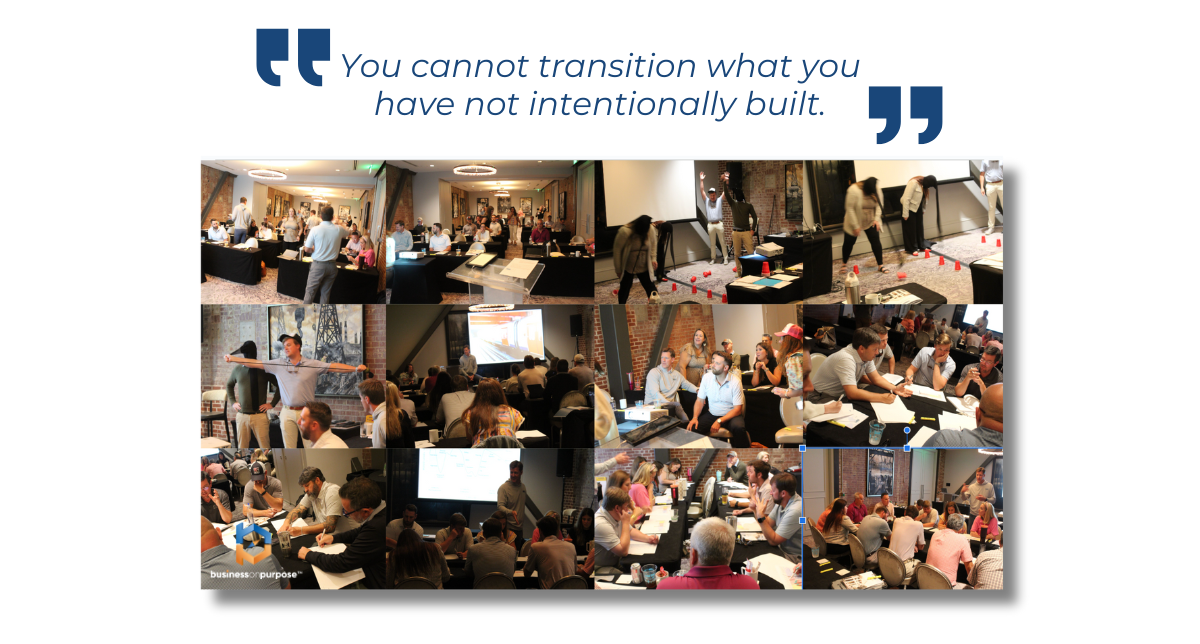
Succession planning ensures your business is valuable to someone other than you.
The Fourth Goal: Buying Back Your Time
Many business owners do not own a business. They own a job they do not enjoy, working for a boss they cannot escape.
That boss is themselves.
If you are doing payroll at midnight, estimating on weekends, or answering emails at the dinner table, your business is taking time from you instead of giving it back.
A well-designed succession plan creates time value, not just financial value.
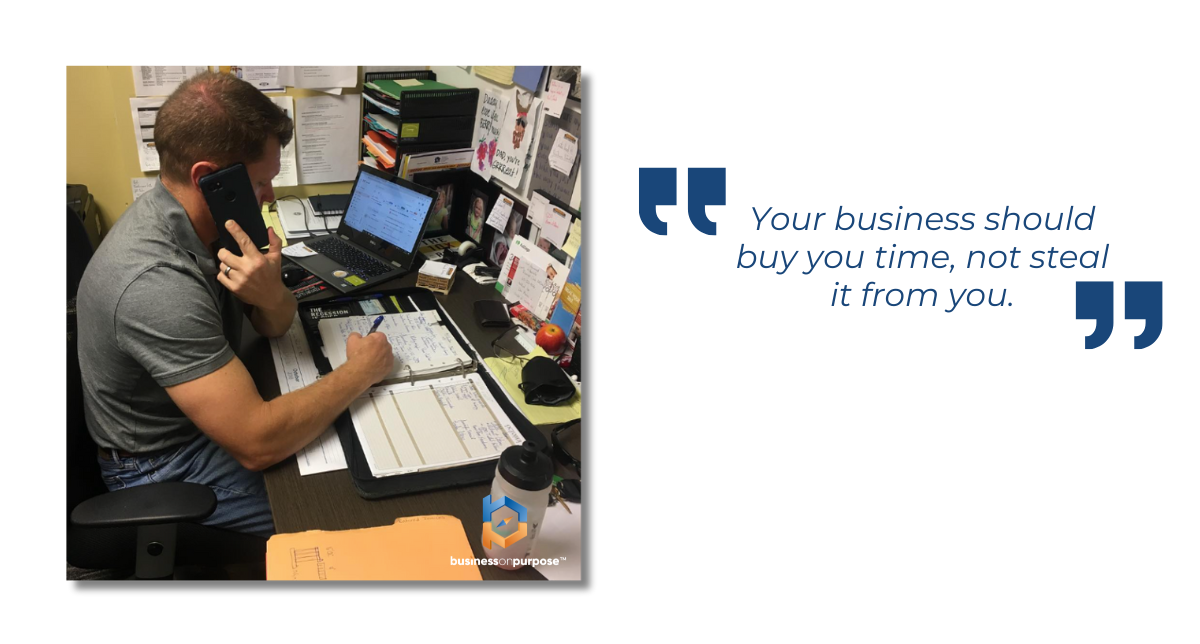
Time is part of the asset you are building. When systems, leadership, and clarity are in place, the business can function with or without you. That freedom is not accidental. It is designed.
The Ultimate Goal of Succession Planning
The ultimate goal of succession planning is simple.
Take everything you have built and turn it into a transferable, usable, valuable asset.
You do not want to hand off something that becomes a burden. You want to hand off a business that others can grow, lead, and improve.
When done well, succession planning creates four outcomes:
- Legacy
- Clarity
- Value
- Time
Together, these outcomes transform your business into a gift. A gift to your family, your employees, or the people who one day buy it.
Your Next Step
If you want to start building a succession plan that creates legacy, clarity, value, and time, the first step is defining your vision.
There is a powerful resource available that walks you step by step through building your vision story and strategic plan. This process sets the foundation for everything discussed here.
Click the link provided and begin designing a business that serves your life, not one that consumes it.
Scott Beebe is the founder of Business On Purpose (mybusinessonpurpose.com) and speaker for the AEC industry and author of the book Let Your Business Burn: Stop Putting Out Fires, Discover Purpose, and Build a Business That Matters. Business On Purpose works with business owners to articulate purpose, people, process, and profit to liberate owners from chaos and make time for what matters most.