Running a business gets complicated fast. Many owners try to simplify things by copying job descriptions online, especially for roles like an operations manager. That shortcut often creates more problems than it solves.
Your business is not generic. Your operations should not be either.
Stop Copying Job Descriptions
If you search online for an operations manager job description and paste it into your business, you risk building a role that does not actually serve your needs.
Even businesses that look identical on the surface operate very differently behind the scenes.
Think about this. Two siblings grow up in the same house, start similar businesses, and serve the same market. Yet their internal operations, workflows, and responsibilities look completely different.
That is because every business is a unique organism.
Your Business Is Not the Product
Most business owners believe their uniqueness comes from their product.
It does not.
Your product is often a commodity. Many businesses offer similar services or outcomes. What makes you different is how you deliver that product.
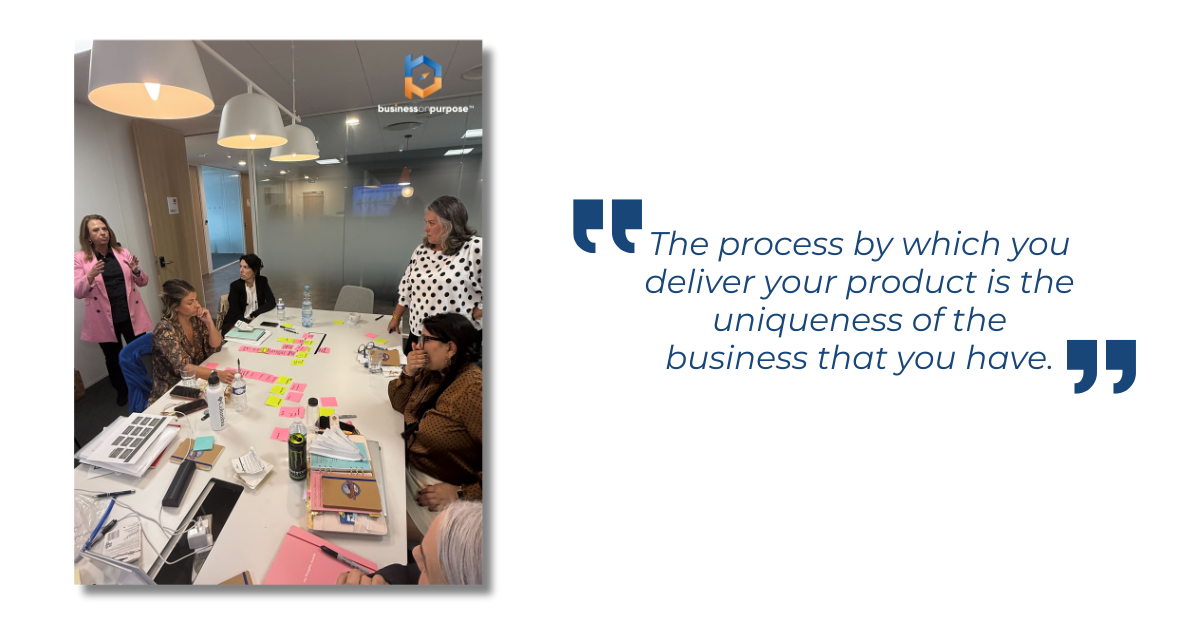
“The process by which you deliver your product is the uniqueness of the business that you have.”
That process is where an operations manager creates real value.
Lead Well.
If you're looking for more resources to work ON your business, we have them.
Focus on Process, Not Output
Too many businesses focus on the output. The product. The final result.
But strong businesses focus on process.
An effective operations manager ensures the process runs smoothly. When the process works, the product takes care of itself.
This shift in thinking changes everything.
Understand the Skeleton of Your Business
Before defining any role, you need to understand how your business is structured.
Every business is built on four foundational cornerstones:
- Purpose
- People
- Process
- Profit
These are not new ideas. They have existed in different forms for generations. What matters is how you apply them within your business.
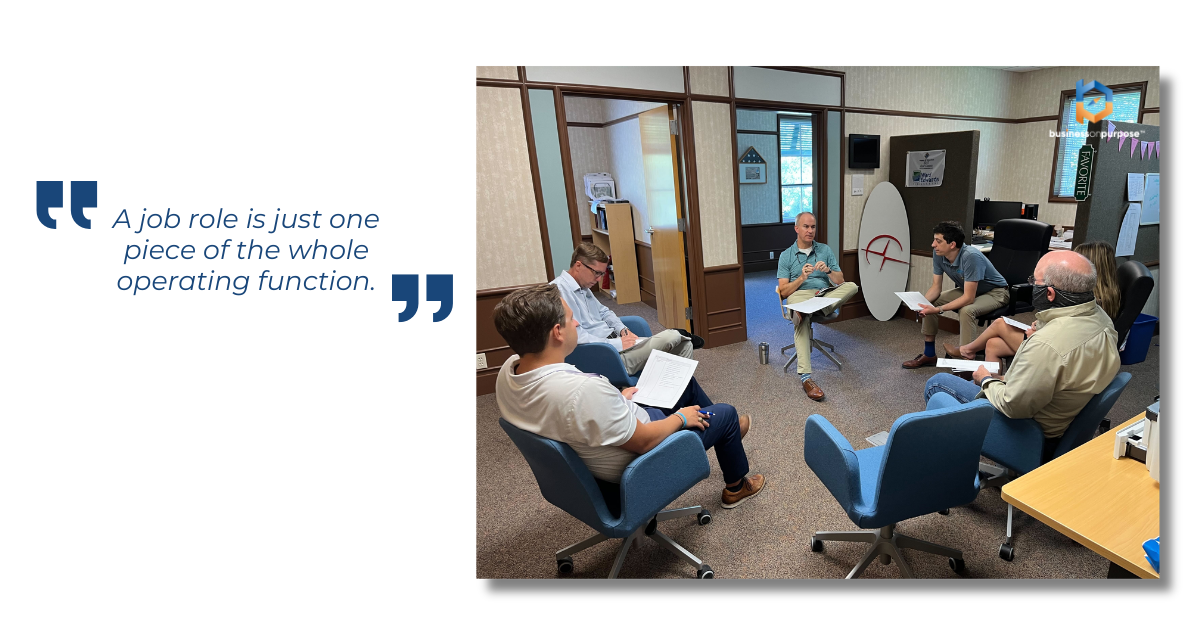
“A job role is just one piece of the whole operating function.”
When you understand the structure, creating roles becomes much easier.
Macro vs Micro Operations
Every business runs on two levels of operations:
Macro Operating System
These are the tools that run the business.
Micro Operating System
These are the processes that deliver the product.
Here is the key question:
Are you hiring someone to manage the product output, or to run the entire business operations system?
That distinction determines everything about the role you need to create.
Build the Role Backwards
Instead of starting with a title, start with tasks.
Write down everything you want this role to handle:
- Tasks you no longer want to do
- Tasks others should not own anymore
- Responsibilities that need a single point of accountability
You might end up with 20 to 40 tasks. That is exactly where you should start.
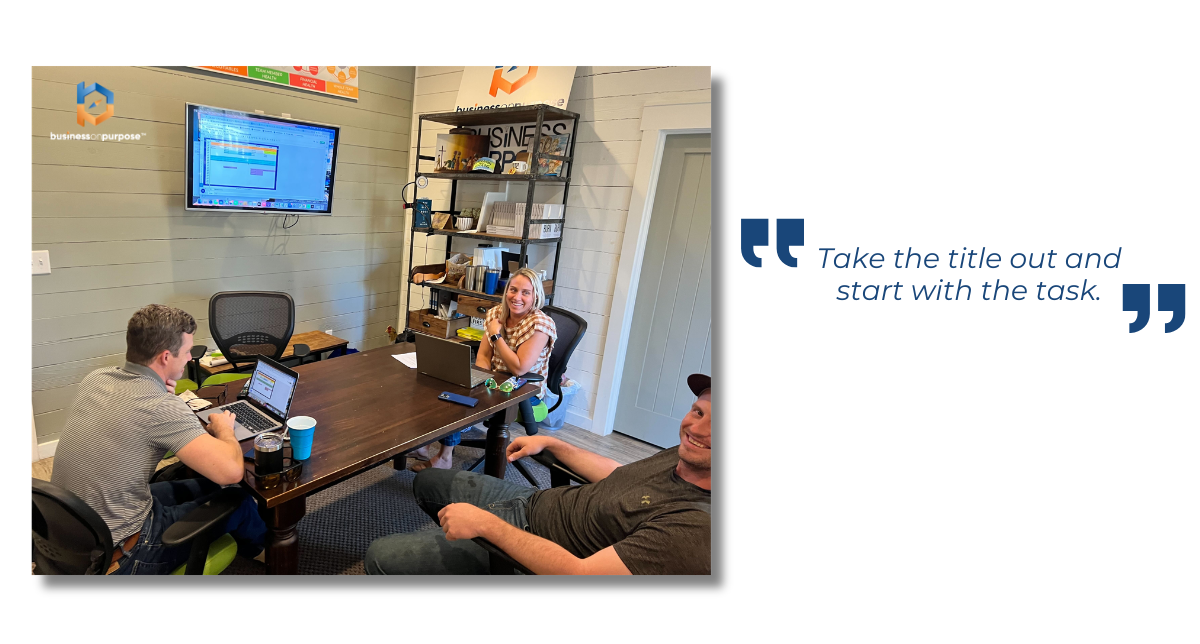
“Take the title out and start with the task.”
Only after defining the work should you define the role.
Use AI the Right Way
AI can help shape your role, but it should not replace your thinking.
Bring your own ideas first. Then use AI to refine, structure, and even name the role.
This creates something unique.
And there is a hidden advantage.
If you use common job titles, candidates will research salaries online. That locks you into market expectations that may not reflect your actual needs.
If your role is unique, you can build compensation based on real responsibilities instead.
Design Your Business First, Then Hire
Too many business owners reverse the process. They hire first, then try to figure out the role.
Instead:
- Understand your business structure
- Define macro and micro operations
- List the tasks
- Shape the role
- Then go to the market
When you follow this sequence, hiring becomes intentional instead of reactive.
Final Thoughts
Running a business is not easy. Complexity builds quickly, and it is tempting to look for shortcuts.
But clarity comes from doing the foundational work.
When you define your processes, understand your structure, and build roles based on real needs, you create a business that can run and grow with or without you.
Ready to Take Control of Your Operations?
If you want to move from chaos to clarity, start by mapping your operations today. Write down your processes, define your systems, and build roles that truly support your business.
You do not need a generic operations manager.
You need the right one for your business.
Scott Beebe is the founder of Business On Purpose (mybusinessonpurpose.com) and speaker for the AEC industry and author of the book Let Your Business Burn: Stop Putting Out Fires, Discover Purpose, and Build a Business That Matters. Business On Purpose works with business owners to articulate purpose, people, process, and profit to liberate owners from chaos and make time for what matters most.