Buying software does not automatically create efficiency. In many cases, it adds complexity and confusion when there is no clear structure in place. Before investing in tools, you need a clear picture of what efficiency actually looks like inside your business.
Operational efficiency starts with clarity, not technology.
Define What Efficiency Really Means
Before making any changes, pause and define what efficiency means for you.
For some business owners, efficiency means gaining back personal time and not working until midnight. For others, it is about improving production, reducing waste, or optimizing team performance.
There is no universal definition. You need to be honest about your goal.
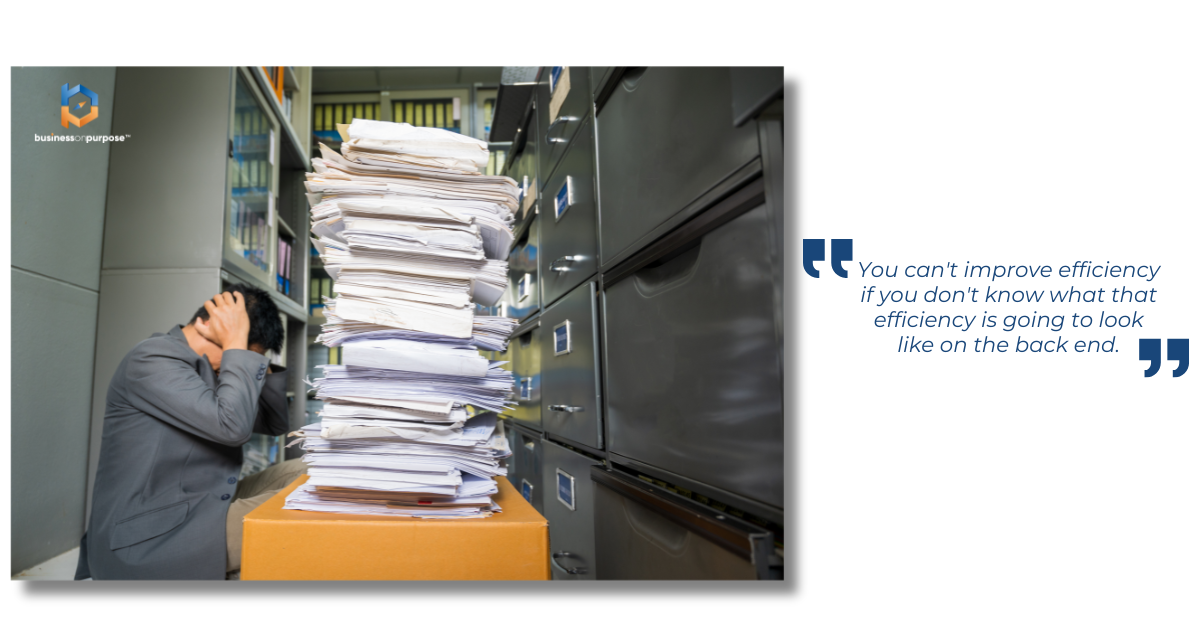
“You can’t improve efficiency if you don’t know what that efficiency is going to look like on the back end.”
When efficiency is undefined, businesses often buy the wrong tools. This leads to overlap, wasted money, and more confusion instead of clarity.
Lead Well.
If you're looking for more resources to work ON your business, we have them.
Why Technology Alone Will Not Fix Your Business
Many business owners assume that software equals efficiency. It feels logical. Buy the right tool and everything improves.
But that is rarely the case.
There are countless businesses investing in multiple platforms that do the same thing. It is like buying two identical cars when you only need one.
Even powerful systems can fail when they are not aligned with the business stage. A small company using enterprise-level software often finds it overwhelming and underutilized.
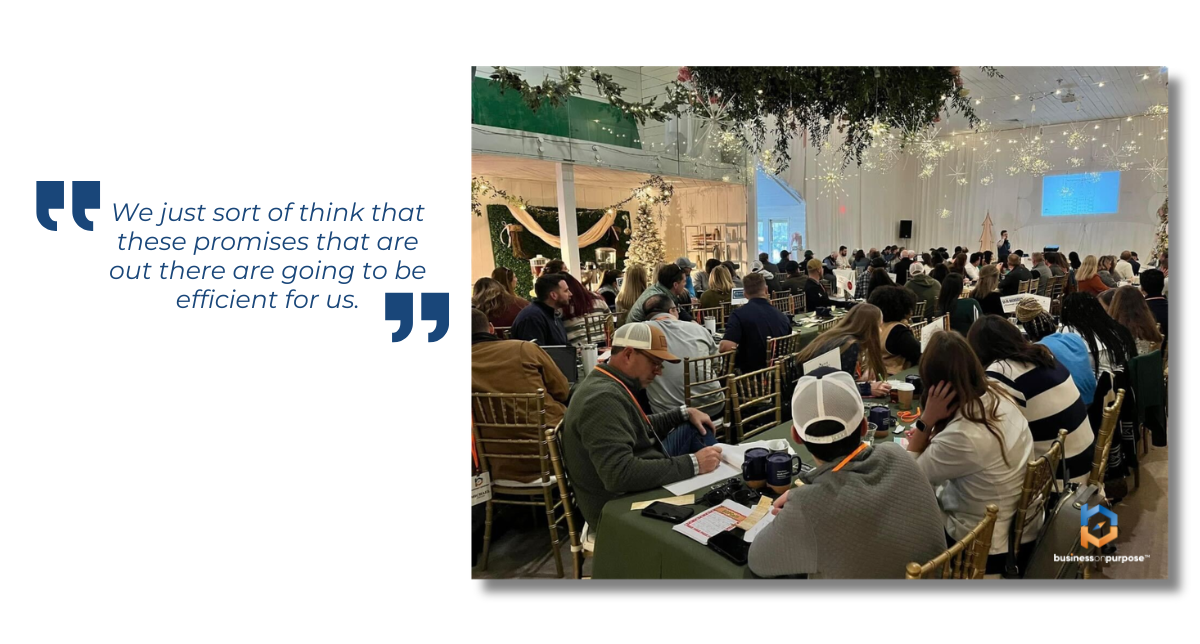
“We just sort of think that these promises that are out there are going to be efficient for us.”
The problem is not the software. The problem is using tools without a clear operational map.
Understand the Skeleton of Your Business
Every business operates on a foundational structure. Think of it as the skeleton that supports everything else.
This structure is built on four core elements:
The Four Ps
- Purpose
- People
- Process
- Profit
These form your macro operating system, which includes the tools used to run your business.
Purpose Tools
- Vision story
- Mission statement
- Core values
- Company handbook
People Tools
- Organizational charts
- Job roles
- Accountability structures
- Scorecards
Meeting Structure
A strong business also runs on consistent communication rhythms:
- Team meetings
- Department meetings
- Executive meetings
- One-on-one check-ins
- Performance reviews
Even small teams benefit from structured meetings. Building this rhythm early creates long-term efficiency and culture.
Build Your Micro Operating System
If the macro system runs the business, the micro system runs the product.
This includes all processes across:
- Marketing
- Sales
- Operations
- Administration
Each function should have clearly defined processes. These could include:
- Sales scripts and follow-ups
- Production workflows
- Customer onboarding
- Accounting procedures
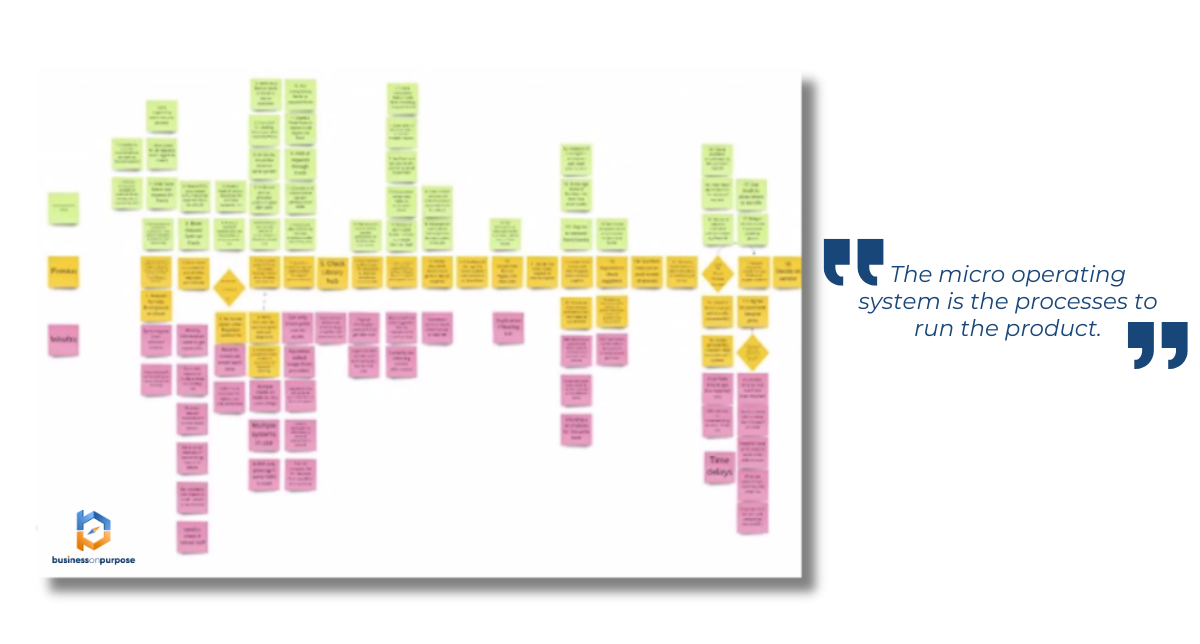
“The micro operating system is the processes to run the product.”
When these processes are unclear, businesses rely on guesswork instead of systems.
Map Your Processes for Instant Clarity
A simple but powerful tool is the master process roadmap.
Set a timer for 15 minutes and list every process in your business. Do not overthink it. Just name them.
You might identify:
- 10 marketing processes
- 10 sales processes
- Dozens or hundreds of operational processes
- Multiple administrative workflows
This exercise introduces a systems mindset.
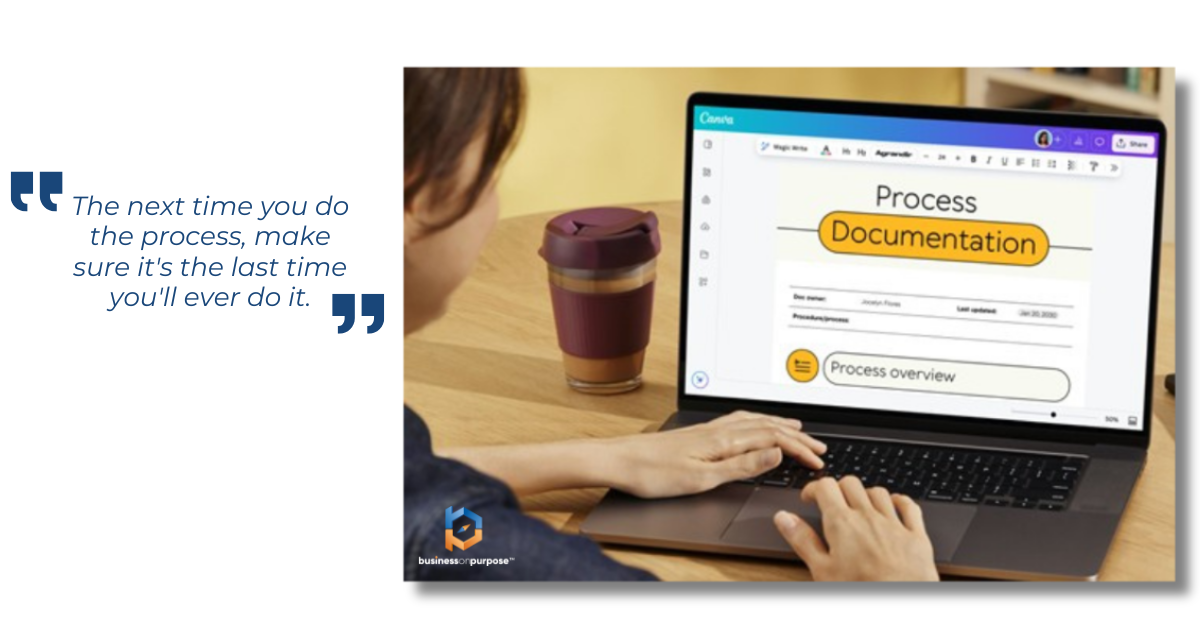
“The next time you do the process, make sure it’s the last time you’ll ever do it.”
By simply documenting processes, efficiency begins to improve. No software required.
Assign the Right Roles
Once processes are mapped, the next question is simple.
Who is responsible?
Start with roles, not people.
Build an organizational chart based on functions:
- Marketing roles
- Sales roles
- Operations roles
- Administrative roles
Then connect each role to the processes it owns.
This creates clarity across the business. Everyone knows what they are responsible for and how their work fits into the bigger picture.
Train with Consistency
Mapping and documenting are only the beginning. Training is what makes systems stick.
Follow a simple framework:
- Map
- Document
- Train
Reinforce this through:
- Repetition
- Predictability
- Meaning
Use team meetings to review one process at a time. Keep it short and consistent.
Ask:
- Is this still accurate?
- Is anything broken?
- What can be improved?
Small, regular updates create long-term efficiency.
Final Thoughts
Operational efficiency is not about buying more tools. It is about building a system that makes your business easier to run.
When you understand your structure, define your processes, and align your team, efficiency becomes natural.
Clarity creates momentum.
If your business feels chaotic or inefficient, start simple.
Map your processes. Define your roles. Build your structure.
If you want guidance, support, or proven frameworks to accelerate this process, take the next step and explore deeper resources that help you implement purpose, people, process, and profit in your business.
Scott Beebe is the founder of Business On Purpose (mybusinessonpurpose.com) and speaker for the AEC industry and author of the book Let Your Business Burn: Stop Putting Out Fires, Discover Purpose, and Build a Business That Matters. Business On Purpose works with business owners to articulate purpose, people, process, and profit to liberate owners from chaos and make time for what matters most.