“I just can’t sleep.”
That’s something we hear often from business owners. When we ask why, the answer is usually the same: “My head won’t stop spinning. I’m constantly thinking about everything that’s ahead, and I can’t get a clear picture.”
Sound familiar?
If so, you’re not alone—and there’s a simple way to calm that chaos.
Why Forecasting Feels So Elusive
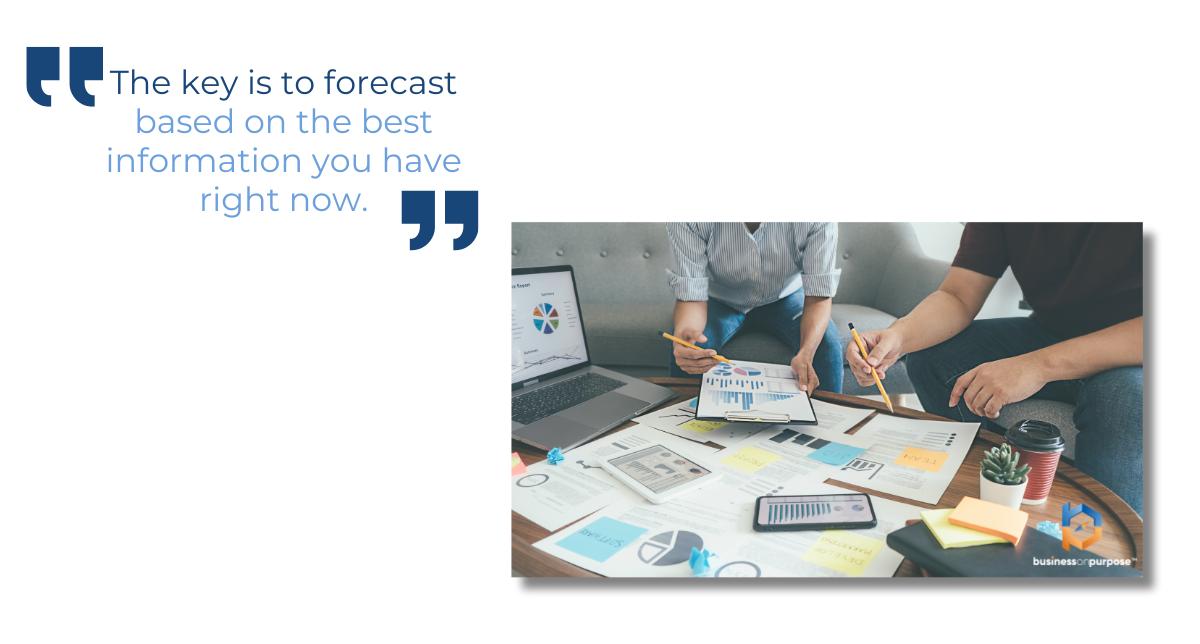
Business owners often feel like they’re guessing when it comes to future revenue. And guess what? That’s partly true—because we’re dealing with people. And people change. But that doesn’t mean we can’t bring structure and clarity to the process. The key is to forecast based on the best information you have right now.
Lead Well.
If you're looking for more resources to work ON your business, we have them.
That’s why we recommend one of the simplest tools in our toolbox: the Project Start Sheet (also called a Forecasting Sheet or Job Start Sheet).
Don’t worry, you don’t need any fancy software to get started. In fact, we encourage business owners to prove they can use the process consistently in a basic spreadsheet before upgrading to any paid platform.
The Power of One Page
The Project Start Sheet is a customizable spreadsheet that allows you to visualize your upcoming revenue. Whether you’re a contractor, consultant, or retail business owner, this tool helps you think ahead, reduce surprises, and plan realistically.
Here’s How It Works:
- Step 1: List Your Projects or Categories
On the left-hand side of your spreadsheet, list your active or upcoming jobs. If you’re in retail, group your products into 3–5 main categories rather than listing every single SKU. This simplifies forecasting and helps you account for seasonality. - Step 2: Add Time Across the Top
Across the top, label the columns by days, weeks, or months, depending on your business model. Contractors working on large builds might plan monthly, while service-based businesses might forecast by week. - Step 3: Input Expected Billing or Revenue
In each cell, enter the expected billing amount for that time period. Be realistic. It’s tempting to divide revenue evenly across months, but that approach ignores seasonality and actual billing schedules. If you have a schedule of values (especially common in construction), use it. - Step 4: Identify Cash Flow Trends
As you populate the sheet, you’ll start to notice trends—busy seasons, slow periods, and revenue gaps. This visibility empowers you to adjust plans proactively instead of reacting to surprises.
Plan for the Unexpected
Forecasting isn’t about perfection—it’s about preparation. Life happens. Projects get delayed. Clients pause unexpectedly. Wildfires, supply chain issues, or market shifts can affect even the most secure jobs.
That’s why we recommend building a 10–20% buffer into your forecasts. It’s not about being pessimistic; it’s about being prepared.
Why Simple Wins
Before investing in high-powered software, use a spreadsheet for three to six months. Prove to yourself (and your coach) that you can commit to the process. If you do, you’ll not only sleep better at night—you’ll have a reliable system to guide your financial decisions.
This isn’t just about money—it’s about peace of mind.
The Project Start Sheet gives you:
- A clear picture of expected revenue
- Insight into lean or full periods
- Awareness of your billing patterns
- A realistic, forward-thinking mindset
It’s a small tool with big impact.
Your revenue may feel unpredictable, but your planning doesn’t have to be.
Ready to Forecast with Confidence?
If you’re feeling overwhelmed and want some guidance, we’ve got you covered. Visit businessonpurpose.com/ask to hop on an “Ask Us Anything” call. You’ll also find free tools right on the site—no download required—that can help you stop profit leaks and strengthen your financial clarity.
Scott Beebe is the founder of Business On Purpose (mybusinessonpurpose.com) and speaker for the AEC industry and author of the book Let Your Business Burn: Stop Putting Out Fires, Discover Purpose, and Build a Business That Matters. Business On Purpose works with business owners to articulate purpose, people, process, and profit to liberate owners from chaos and make time for what matters most.