Training an employee with no experience is one of the most underestimated opportunities in business. Many employers eventually discover that some of their strongest team members come from hiring based on fit, process, and mission rather than resume credentials.
In this guide, you will learn how business owners can build homegrown superstars, why experience is not always the golden ticket, and how to create a predictable, meaningful training system for long term success.
Experience vs. Homegrown Talent
What is more valuable: ten years of experience or one year of someone fully committed to your process? Many leaders assume they must choose between high priced rock stars or low priced rookies, but that assumption creates unnecessary tension.
Lead Well.
If you're looking for more resources to work ON your business, we have them.
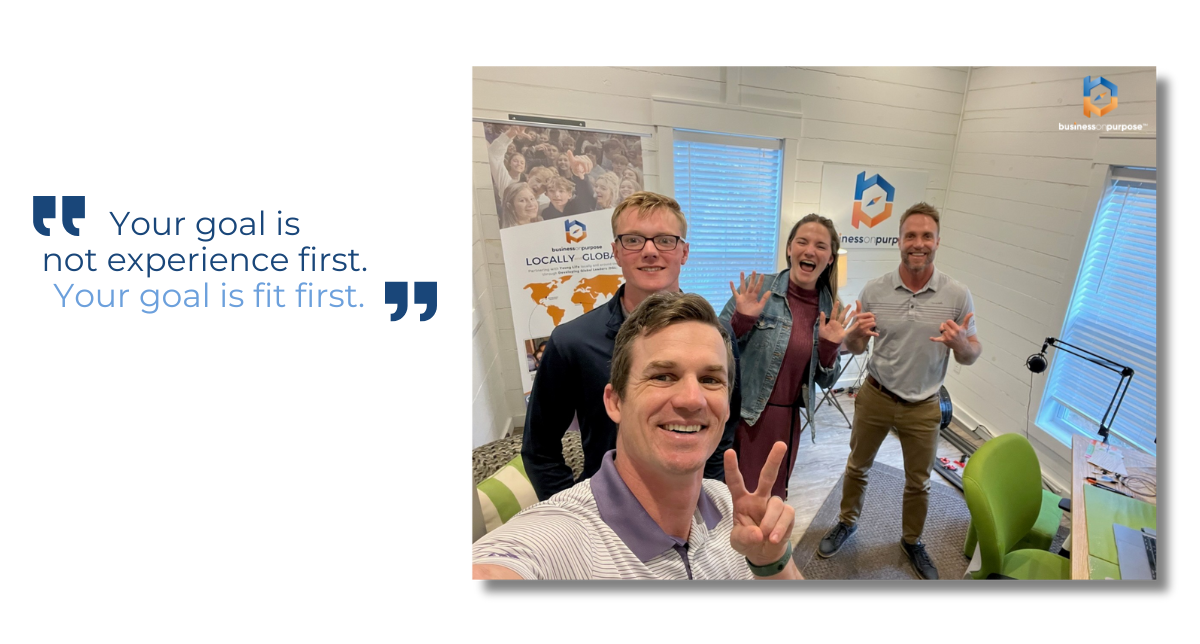
Experienced hires often bring habits formed over five, ten, or even thirty years. Sometimes those habits run completely opposite of your process. That means you end up rolling back and retraining them anyway.
The same applies to the myth of the MBA. High level credentials can be useful, but many programs teach finance, leverage, and theory, not the cash based, day to day problem solving a small business needs.
The bottom line: hiring for experience alone can blind you to more valuable qualities like humility, adaptability, and willingness to follow your process.
Your Process Is Your True Product
Many owners confuse what they do with what they actually sell. If someone asks, “What do you do?” you might say you build homes, run electrical wires, or remodel kitchens. Those things are not unique. They are commodities.
Your true product is the process you use to deliver those services.
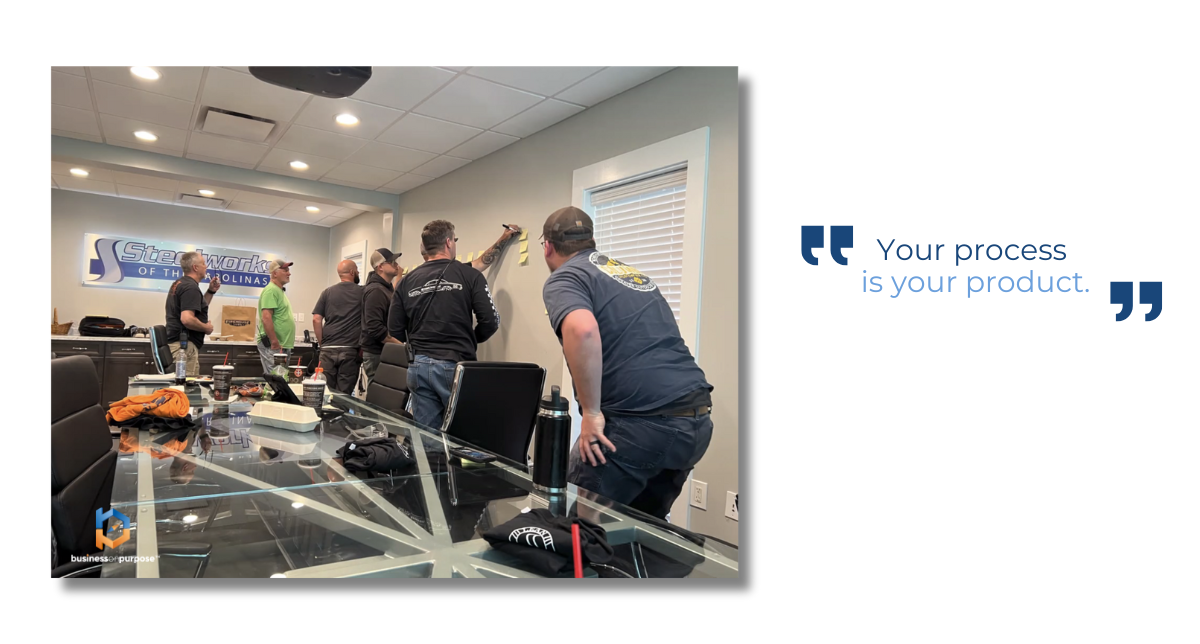
Anyone can build a home. What clients pay for is how you build it. The clarity, predictability, communication, and experience tied to your process is what separates you from competitors.
When hiring, you are not looking for someone who fits the product. You are looking for someone who fits the process.
Start Before They Start: The Pre Hire Phase
Before a new hire walks through your doors, determine what they need to understand about your company. Document the processes of daily meetings, culture, long term vision, and expectations.
Michael Gerber said it well: “If it is not written down, you do not own it.” Clarity creates alignment, and alignment prevents surprises.
Every team member in the author’s company started with zero experience in their industry. What mattered was having a clear process and a clear deliverable.
Training When They Start: The First Year
Once they join, training should be structured across your four core systems:
- Marketing
- Sales
- Operations
- Administration
Map out what you will train each week for 52 weeks. For example, the author’s team trains twice a year on using the business credit card properly. It is not glamorous, but it is essential and documented.
Weekly training creates confidence and consistency. If you are not training every week, you should feel uncomfortable.
Continuing Training for Long Term Success
After onboarding, continue training every single week. Repetition builds mastery. Predictability builds trust. Meaningful topics build engagement.
If you want a deeper walkthrough of onboarding, the video referenced in the original transcript expands even further.
How To Identify the Right Fit
Finding a great fit requires clarity from you first. You must know and document your:
- Vision: A detailed picture of the future of your business
- Values: The boundaries and principles you will not violate
- Mission: One short phrase describing why you exist
The author’s mission: “We work with business owners between 3 and 100 employees to help liberate you from chaos and make time for what matters most.”
When you share your vision, mission, and values, candidates will naturally determine if they belong. Sometimes that clarity encourages the wrong fit to walk away, which is a blessing in disguise.

Use Due Diligence to Validate the Fit
Practical steps for deeper evaluation include:
- Personality Profiling
Tools like DISC, Kolbe, or Myers Briggs reveal how a person naturally behaves. DISC is especially easy for small business owners to use.
- Paid Homework Project
Give them a real world task:
- Estimators: complete an estimate
- Salespeople: ride along for a day
- Bookkeepers: reconcile sample accounts
You are not evaluating perfection. You are evaluating how they work, how they think, and how they communicate.
- Reference Calls
Yes, you should still call references. Treat it like a normal conversation. Ask them what truly upsets the person when they are fiery mad. People answer honestly when asked well.
This information gives you a clearer picture of the candidate and helps you have honest conversations in the next interview.
Final Thoughts
Training someone with no experience is not risky when you have a predictable, documented, meaningful process. It can even be your greatest competitive advantage.
With strong due diligence, weekly training, and clarity of your mission, vision, and values, you can build a team of homegrown superstars who buy into your culture and your way of doing business.
Ready to build a training system that develops confident, capable employees from day one?
Start documenting your process this week. Choose one role, write down one key system, and begin training every week. Your future team will thank you.
Scott Beebe is the founder of Business On Purpose (mybusinessonpurpose.com) and speaker for the AEC industry and author of the book Let Your Business Burn: Stop Putting Out Fires, Discover Purpose, and Build a Business That Matters. Business On Purpose works with business owners to articulate purpose, people, process, and profit to liberate owners from chaos and make time for what matters most.