Training a difficult employee can feel exhausting. One negative attitude can drain a room, stall momentum, and quietly pull your team toward the blame train instead of the solution train.
By the end of this guide, you will have a clear leadership strategy that does two important things at once. It helps the right employees want to stay, and it allows the wrong employees to eventually self-eject on their own.
The goal is not control. The goal is clarity.
The Question Every Leader Must Answer
When a difficult employee walks into the room, the energy changes. You feel it instantly.
Now ask yourself this question honestly.
Would you rather lead a team that says, “We will figure this out,” or a team that jumps on the blame train the moment something goes wrong?
Every business is built on four foundational cornerstones.
The Four Cornerstones of Every Business
Purpose
Vision, mission, values, and culture.
People
Org chart, job roles, hiring process, scorecards, and weekly schedules.
Process
The systems that drive marketing, sales, operations, and administration.
Profit
Cash flow, budgets, forecasts, and financial health.
When a team member becomes difficult, the problem almost never starts with personality. It starts with one of these cornerstones being weak or undefined.
Lead Well.
If you're looking for more resources to work ON your business, we have them.
Why Leaders Avoid Difficult Employees
Most business owners respond to difficult employees in one of two ways.
The first is passivity.
You cross your fingers and hope the problem goes away.
The second is frustration.
You label the employee as “a jerk” without understanding why they are acting that way.
Passivity is far more dangerous.
A core leadership principle is simple. You must move toward the situation. Even if you handle it imperfectly, moving toward it brings clarity. Avoiding it only allows confusion to grow.
“You never want to be guilty of not moving toward a situation that needs leadership.”
Stop Speaking in Generalities
Calling someone difficult is not leadership. It is avoidance.
Instead, you need a filter. A written filter.
Take a sheet of paper and write down the top five things that matter most to you when making decisions. These become your unique core values.
Generic values like integrity, respect, excellence, and responsibility are not enough. Those words sound good, but they do not guide daily behavior.
Your values must be usable.
They must help you answer questions like:
- Why is this behavior unacceptable?
- Where exactly is the mismatch?
- What decision should I make next?
If your values are not written down, they do not exist.

Vision Eliminates Most Difficult Employees
Many difficult employees are not rebellious. They are confused.
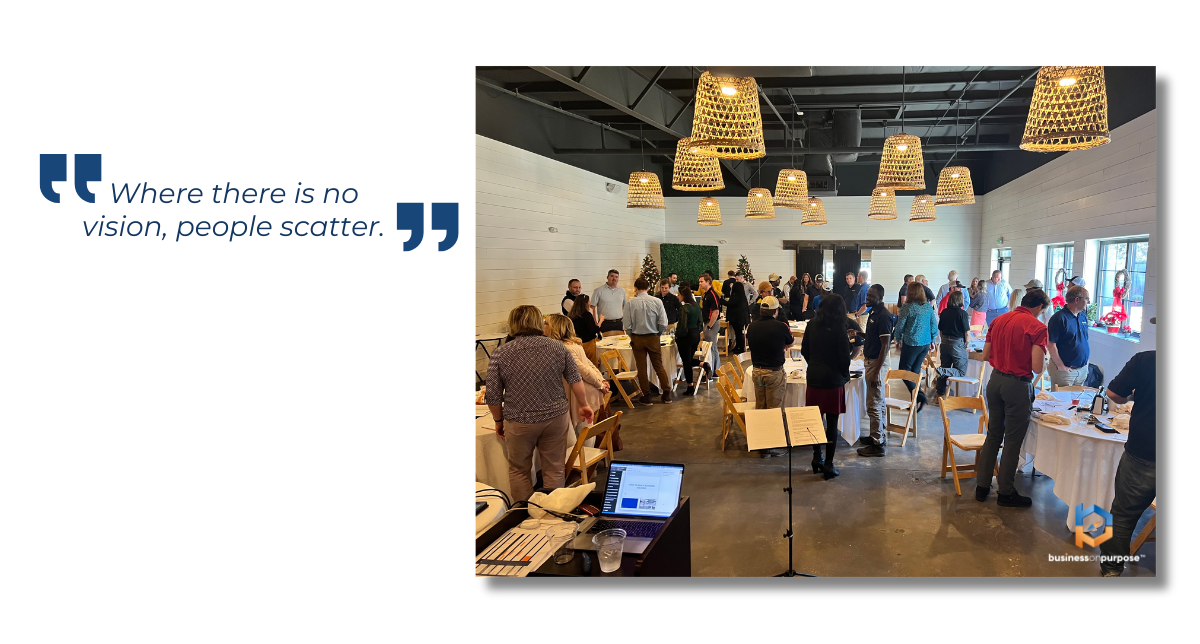
If you have not clearly articulated where the business is going and why, every team member creates their own version of the future. Multiple visions lead to scattered effort and growing frustration.
People naturally ask one question before committing.
“Where are we going?”
Detail matters. Direction matters. Purpose matters.
When employees understand the destination clearly, they can decide whether they want to go there with you. Only after clarity exists can you determine whether you are dealing with immaturity or misalignment.
Train With Systems, Not Speeches
Once purpose, vision, and values are clear, training becomes objective instead of emotional.
You need two mindsets and one tool.
The Systems Mindset
Capture everything as if it is the last time you will ever explain it. When knowledge is recorded, one moment of effort creates ongoing value.
The RPMs of Great Leadership
- Repetition
- Predictability
- Meaning
Training sticks when it is consistent, expected, and connected to purpose.
The Master Process Roadmap
Document every process across marketing, sales, operations, and administration. This creates a single source of truth.
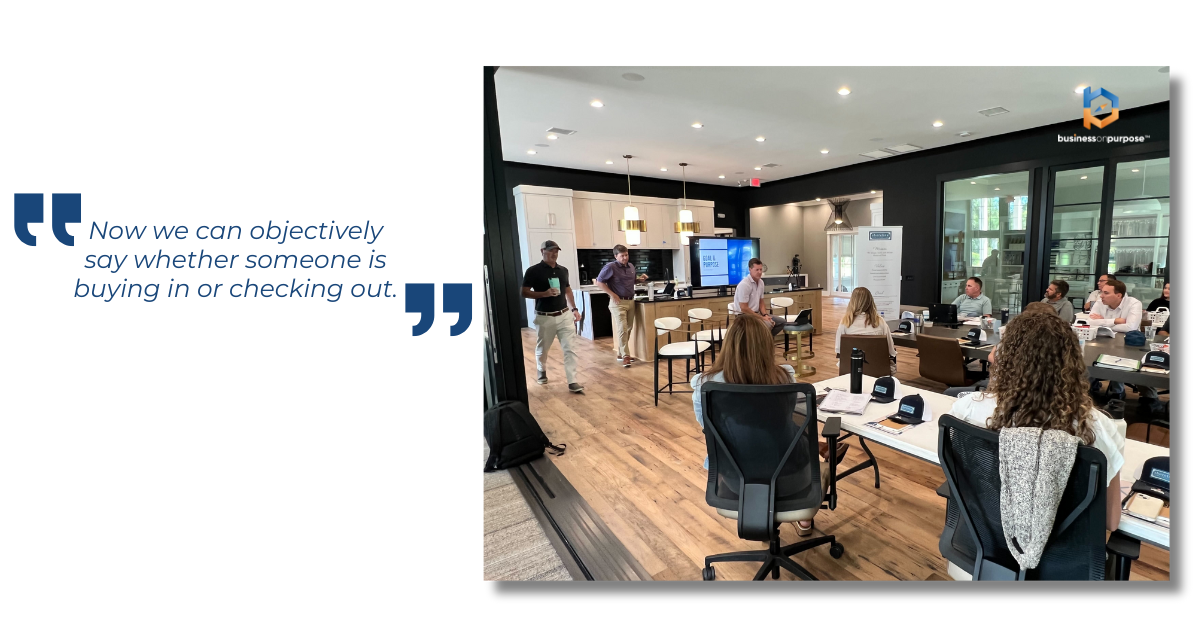
When training is documented and consistently reinforced, resistance becomes visible. At that point, you are no longer dealing with opinions. You are dealing with behavior.
The Big Five Feedback Loop
Training without feedback leaks. Information goes in and immediately falls out.
The Big Five Feedback Loop creates accountability and clarity.
- Weekly one hour agenda driven leadership meeting
- Weekly departmental meetings
- Monthly or twice monthly executive level meetings
- Annual performance reviews
- Twice monthly one on one check ins
During one on one check ins, ask four questions and make one statement:
- Share a recent win tied to our mission
- What are you seeing and thinking right now
- What blind spots do we have
- What do you need from me
- Here is what I see and what I need from you
This structure keeps expectations visible and relationships healthy.
Move Toward the Hard Conversations
Too many leaders avoid discomfort. They delay decisions. They tolerate misalignment.
Leadership requires movement.
Yes, sometimes you will say the wrong thing at the wrong time in the wrong way. But you will never regret stepping into responsibility.
The best way to prevent difficult employees is to start them on the right foot. Pre hire clarity and early training solve more problems than discipline ever will.
Final Thought
If you want to build a business that gives you freedom instead of chaos, it starts with purpose, people, process, and profit working together.
If you are ready to improve how you hire, train, and lead your team, take the next step. Invest in structured training and clear leadership systems that set expectations early and reinforce them often.
Your culture is shaped by what you tolerate and what you train.
Choose wisely.
Scott Beebe is the founder of Business On Purpose (mybusinessonpurpose.com) and speaker for the AEC industry and author of the book Let Your Business Burn: Stop Putting Out Fires, Discover Purpose, and Build a Business That Matters. Business On Purpose works with business owners to articulate purpose, people, process, and profit to liberate owners from chaos and make time for what matters most.