The 5 Silent Killers That Destroy Business Value
Succession planning is one of those things every business owner knows they should do. Yet it often gets delayed, ignored, or misunderstood.
The truth is simple. Failing to plan does not just create inconvenience. It can quietly destroy the value of everything you have spent years building.
Let’s pull back the curtain and look at why succession planning fails and what is really happening behind the scenes.
Why We Avoid Succession Planning
Before we get into the five silent killers, it is important to understand why planning does not happen in the first place.
Sometimes, it is just inertia. We avoid it because it feels complex or uncomfortable.
Other times, it is the “cross that bridge later” mindset. We assume things will work out when the time comes. Unfortunately, when that moment arrives, the bridge is often not ready.
Then there is what can be called the special snowflake mindset. The belief that your situation is different and the rules do not apply.
But business fundamentals do apply. Systems, structure, and planning matter in every industry.
Silent Killer #1: No System to Transition
The number one reason succession planning fails is simple. There is no system.
Everything lives inside the owner’s head or with a few key people. There is no documented way to run the business.
That creates a major problem. A buyer cannot purchase what they cannot understand or replicate.
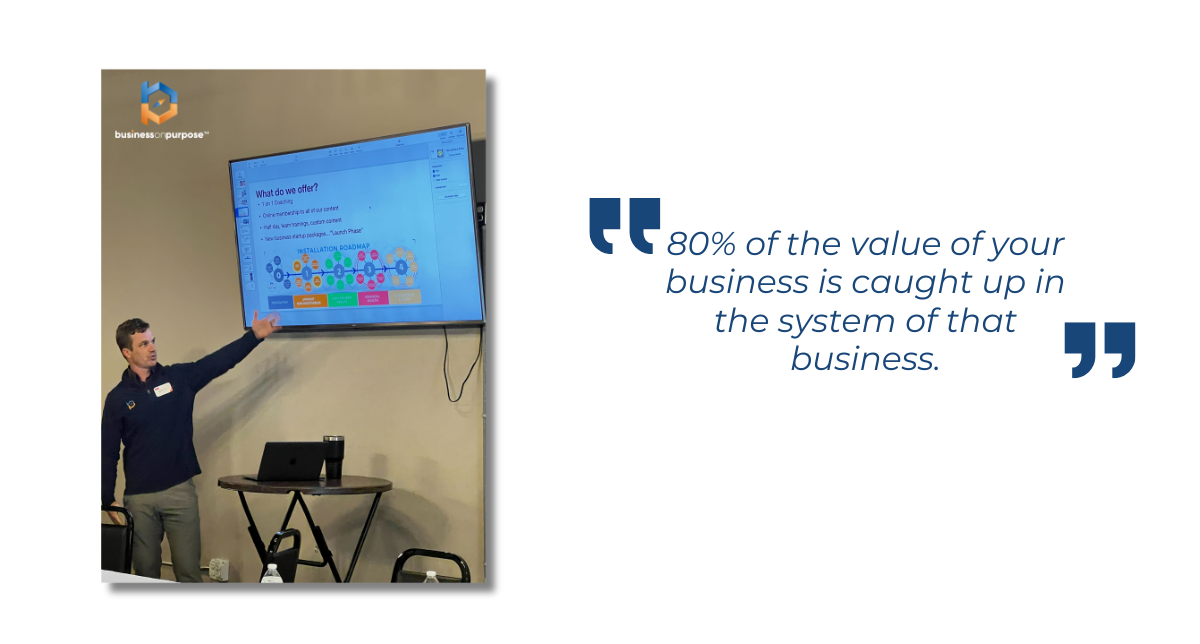
“80% of the value of your business is caught up in the system of that business.”
Lead Well.
If you're looking for more resources to work ON your business, we have them.
Strong businesses rely on:
- Clear processes
- Defined roles
- Repeatable systems across marketing, sales, operations, and administration
Hiring experienced people is not a system. A real system allows others to run the business exactly as you would.
Without it, the business cannot truly be transferred.
Silent Killer #2: No Personal Plan
Succession is not just about the business. It is also about you.
Many owners assume they will figure life out after the transition. Maybe take time off, travel, or play golf.
But without a clear personal plan, that freedom can quickly turn into frustration.
“We don’t have a personal plan for what happens after we leave the business that has defined us.”

Your business has likely been your identity for years. Walking away without purpose can feel disorienting.
A successful transition requires:
- A clear vision for your next chapter
- Personal readiness
- Thoughtful planning beyond financial outcomes
Silent Killer #3: Kicking the Can Down the Road
Delaying succession planning is one of the most common and dangerous habits.
It is easy to assume there will always be more time.
But without a plan, decisions get made for you.
“If you don’t have a plan, the government has one for you. It’s called probate.”
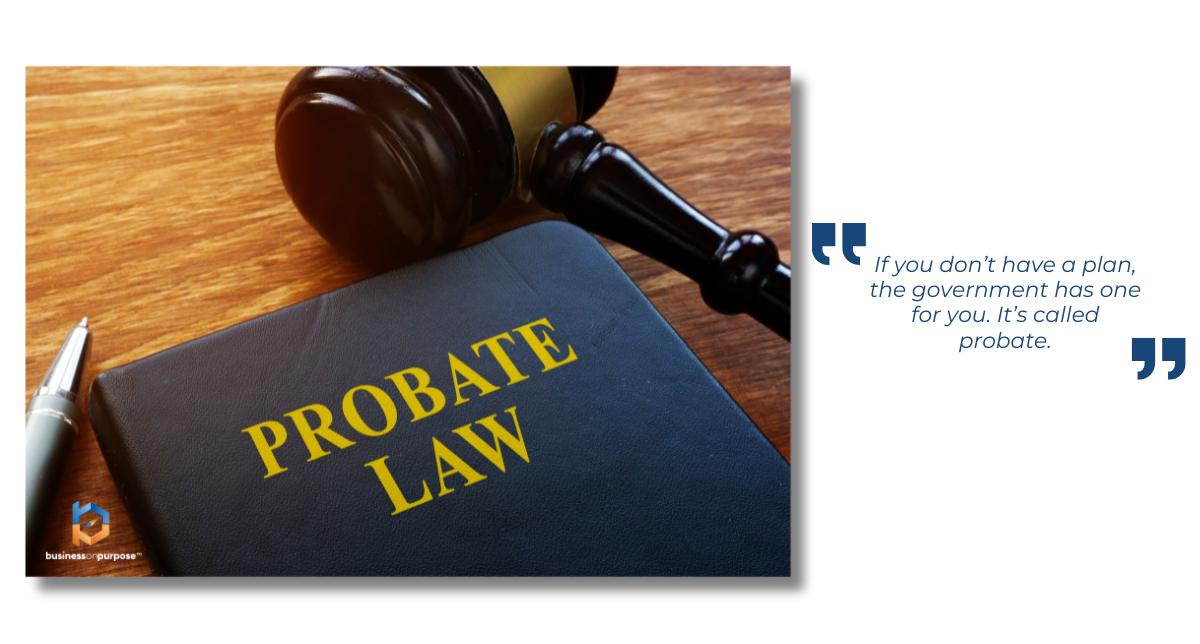
And that plan is expensive, slow, and often burdens the people you care about most.
Instead of delaying, take control. Create a plan that protects your business and supports the people who depend on it.
Silent Killer #4: Too Many Chiefs in the Kitchen
Partnerships can be powerful, but they can also create complexity.
When too many voices are involved, decision making slows down. Alignment disappears. Conflict increases.
“Partnerships are hard because they require clarity, unity, and structure.”

A key question to ask is this:
Does each partner bring a unique and irreplaceable value to the business?
If not, the partnership may be creating more friction than value.
Strong partnerships require:
- Clear agreements
- Defined roles
- Shared vision and expectations
Without these, succession becomes complicated and often stalled.
Silent Killer #5: No One Wants to Buy
This one is tough, but it is real.
Sometimes there is simply no buyer.
Not because the business lacks effort or history, but because it lacks structure.
Buyers are not purchasing your product. They are purchasing a system that produces results.
“The buyer’s ultimate question is, can this business run without you?”
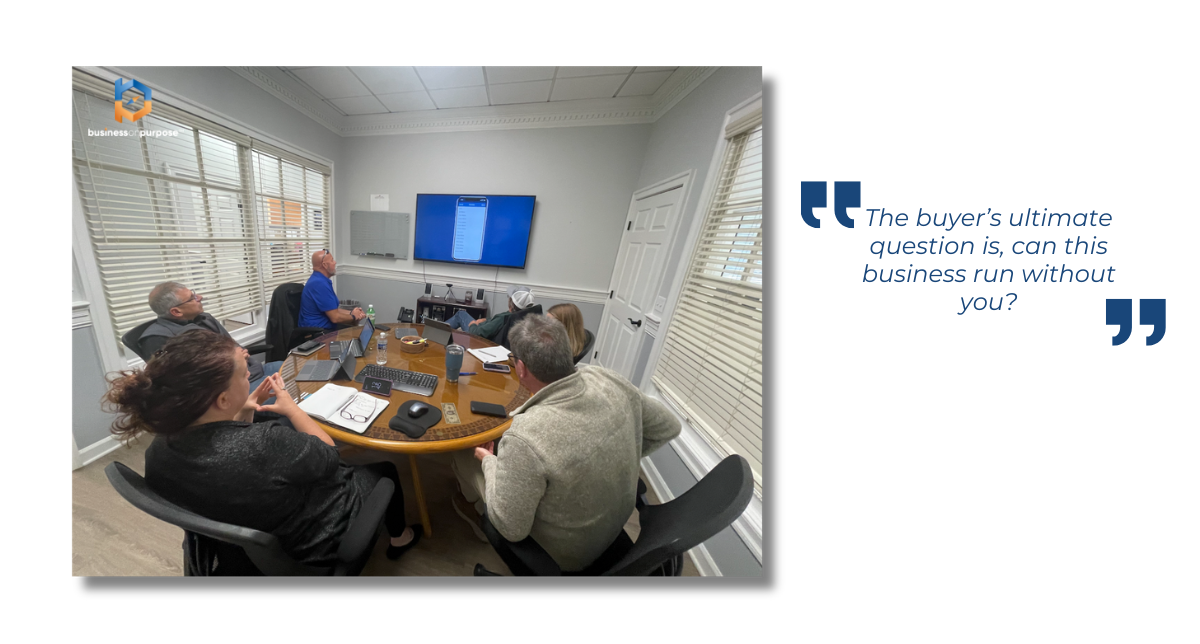
If the answer is no, the business becomes far less valuable.
To attract buyers, your business must:
- Operate independently of you
- Have clear systems and processes
- Deliver consistent results without your daily involvement
The Bottom Line
Succession planning fails quietly. It does not usually collapse overnight. Instead, value erodes slowly over time.
The good news is that every one of these silent killers can be addressed with intentional action.
You can build systems.
You can create a personal plan.
You can stop delaying.
You can simplify leadership.
You can build something worth buying.
If you are serious about protecting the value of your business and creating a clear path forward, now is the time to act.
Start by building clarity across your business systems, your personal goals, and your long term vision.
Do not wait until the bridge is in front of you. Build it now.
Scott Beebe is the founder of Business On Purpose (mybusinessonpurpose.com) and speaker for the AEC industry and author of the book Let Your Business Burn: Stop Putting Out Fires, Discover Purpose, and Build a Business That Matters. Business On Purpose works with business owners to articulate purpose, people, process, and profit to liberate owners from chaos and make time for what matters most.