Running a small business is more than earning a paycheck. It is about building something that has real value, not just for today, but for the future.
Many owners spend decades building their company. Yet surprisingly few plan for what happens when they eventually step away. Without a clear succession plan, the most valuable asset many entrepreneurs have can simply disappear.
The Number Every Business Owner Should Remember
Grab a pen and write down this number.
80
This number reveals three powerful truths about small business ownership.
- 80% of Your Net Worth Is Inside Your Business
For many entrepreneurs, the majority of their wealth is tied up in their company.
Yet many owners do not see their business as an asset. They see it as a job or a source of income. The reality is different.
Your business holds asset value far beyond the paycheck it generates.
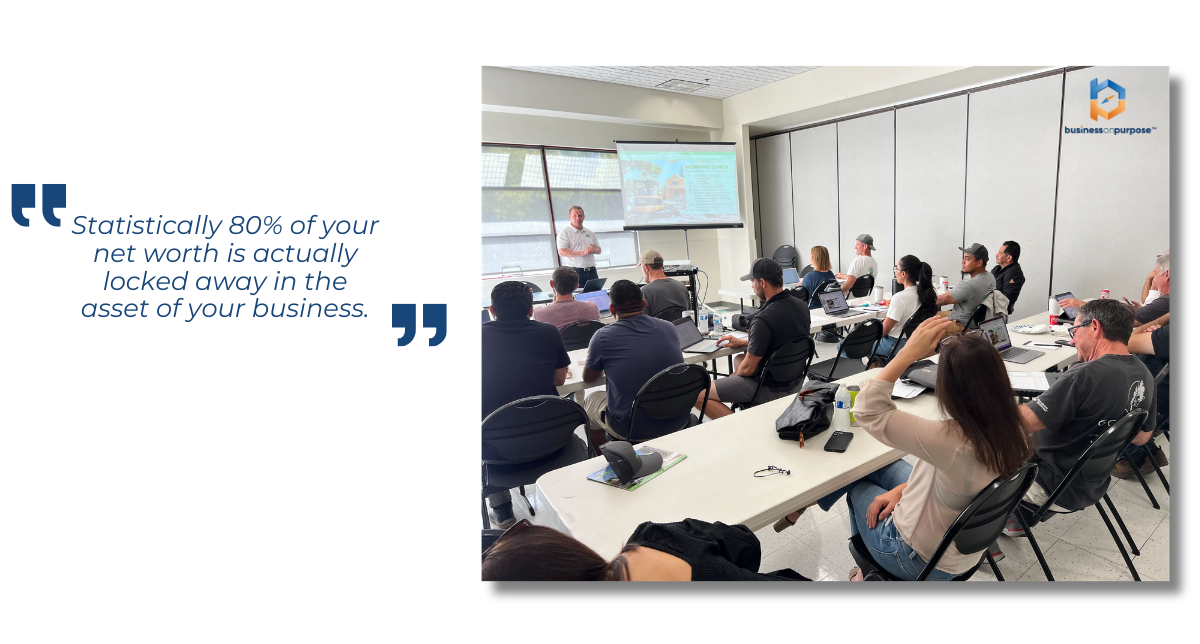
“Statistically 80% of your net worth is actually locked away in the asset of your business.”
Lead Well.
If you're looking for more resources to work ON your business, we have them.
The problem is that most owners cannot easily access that value. It stays trapped inside the business unless it is properly prepared for transition or sale.
- 80% of Businesses Listed for Sale Never Sell
This statistic shocks most business owners.
Only about 20% of businesses that go to market actually sell. The rest simply close their doors.
Why does this happen?
In most cases, the business is not truly ready to be sold. And the owner is not ready to step away.
- 80% of Business Value Lives in Systems and Structure
The majority of a company’s value comes from something called the Four Ps and the Four Systems.
The Four Ps
- Purpose
- People
- Process
- Profit
The Four Systems
- Marketing
- Sales
- Operations
- Administration
These elements form the structure that allows a business to run without depending entirely on the owner.
Unfortunately, in many small businesses, these systems only exist inside the owner’s head.
If someone else cannot run and grow the business without you, the value of the company drops dramatically.
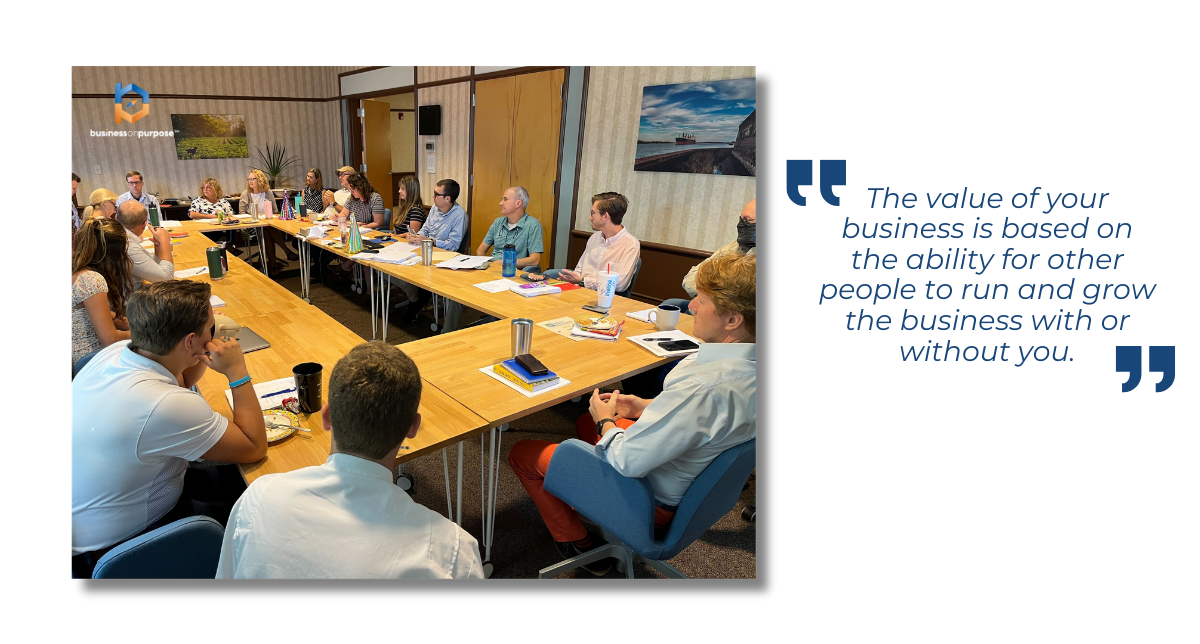
“The value of your business is based on the ability for other people to run and grow the business with or without you.”
What Happens Without a Succession Plan?
When there is no plan, something tragic often happens.
Business owners work for 40 or 50 years building something meaningful. But when it comes time to retire, there is no buyer, no successor, and no structure to transition ownership.
The result?
They simply close the doors.
The largest asset of their entire lifetime quietly disappears.
A Real Story That Shows the Risk
There was once a plumbing company owner who dreamed of passing his business to his son.
He was incredibly proud of what he had built. The business represented years of hard work and sacrifice.
But there was one problem.
The company had no documented systems. The processes were not written down. The structure only existed in the owner’s mind.
One day, the son quietly told a coach something heartbreaking.
“This thing that my dad is giving me is the biggest dread of my life.”

The son never wanted the business.
But he also did not have the courage to tell his father.
Eventually he took over the company. Without passion or preparation, the business slowly collapsed. It was sabotaged unintentionally simply because the next generation never truly wanted it.
This situation happens more often than most people realize.
Your Business Impacts More People Than You Think
Pause for a moment and think about the footprint of your company.
Your business affects far more people than just you.
It impacts:
- Your spouse or partner
- Your children
- Your employees
- Your employees’ families
- Vendors and suppliers
- Customers
- Local communities
Even a small company generating half a million dollars in revenue influences dozens or even hundreds of lives.
When a business disappears, the ripple effect spreads through the entire community.
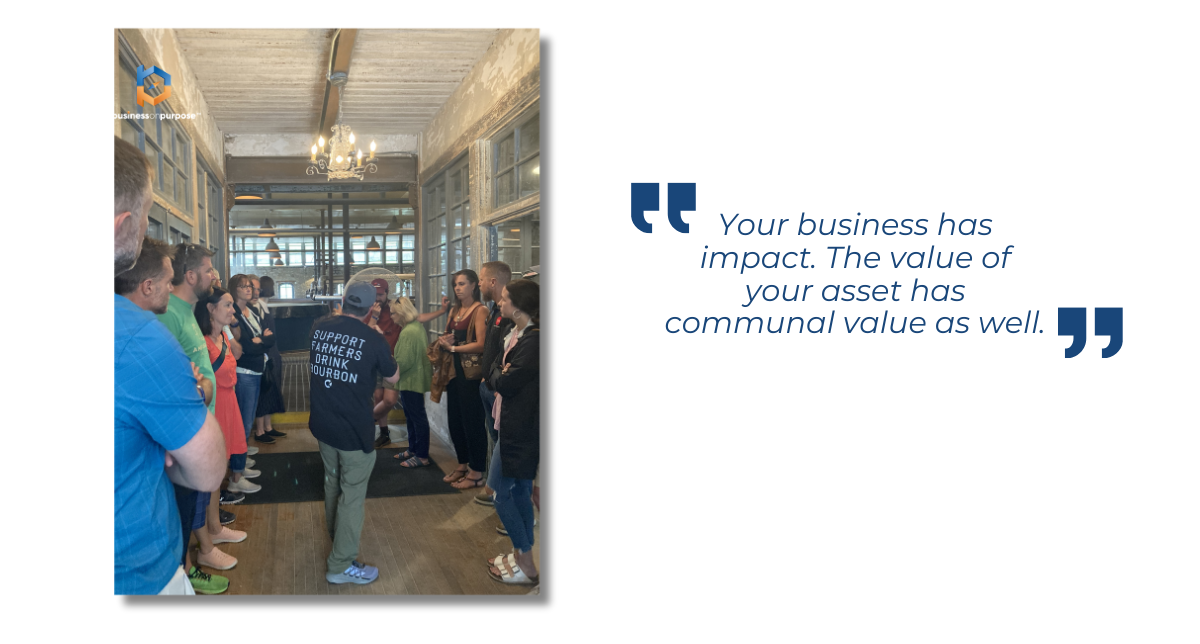
“Your business has impact. The value of your asset has communal value as well.”
Succession planning protects more than your financial future. It protects the people connected to your business.
A Powerful Example of Succession Done Right
Not every story ends in failure.
A home builder from Wisconsin created a completely different outcome.
He was a second-generation business owner approaching his 60s. His son had already been working inside the company and was capable of taking over.
The company had strong systems in place:
- Clear processes
- Structured meetings
- Team training
- Documented operations
Instead of simply gifting the company, the father decided to sell the business to his son at a deep discount.
This gave the son ownership responsibility and real investment in the future of the company.
Then the father made a surprising decision.
After three years, he gathered the payments his son had made and returned every dollar.
The son had already stepped into leadership. He had already proven his commitment. Now he also received a financial gift that allowed him to continue growing the company.
The result was powerful.
The business continued to thrive, and the son carried the legacy forward.
That is what succession planning is meant to accomplish.
The Foundation of a Strong Succession Plan
A successful transition begins with clarity.
Start by building structure around the Four Ps:
- Define the purpose of your company
- Develop the right people and leadership
- Document your processes
- Understand your profit model
Then create systems around the Four Core Functions:
- Marketing
- Sales
- Operations
- Administration
When these areas are documented and operational, the business becomes something that others can lead.
And that is when a business becomes truly valuable.
Build a Business That Becomes a Legacy
Succession planning is not just about selling your company.
It is about protecting the asset you worked decades to create.
It is about making sure your business continues to serve your family, your team, and your community long after you step away.
Start writing down your processes. Build systems that others can run. Develop leaders inside your organization.
That is how chaos turns into clarity.
That is how businesses turn into legacies.
Ready to Start Planning Your Exit?
If you own a business with 3 to 100 employees, the time to start succession planning is now.
Do not wait until retirement to think about transition.
Start building systems today so your business can run and grow without depending entirely on you.
Your future, your family, and your legacy will thank you.
Start building the business that lasts beyond you.
Scott Beebe is the founder of Business On Purpose (mybusinessonpurpose.com) and speaker for the AEC industry and author of the book Let Your Business Burn: Stop Putting Out Fires, Discover Purpose, and Build a Business That Matters. Business On Purpose works with business owners to articulate purpose, people, process, and profit to liberate owners from chaos and make time for what matters most.