Running a business takes years of work, sacrifice, and dedication. Many owners pour their energy, knowledge, and personal identity into the company they build. But an important question often goes unasked until it is too late.
What happens to the business when you are no longer running it?
Succession planning answers that question. It is the process of preparing your business to continue operating, growing, and creating value whether you are there or not.
The goal is simple. Turn the company you built into a true asset that can operate, transition, and thrive beyond you.
The Real Meaning of Succession Planning
Succession planning is the act of creating a structured plan that allows the business you worked so hard to build to transition to someone else.
That transition could happen through:
- A family member
- A management team
- A strategic buyer
- A private investor
No matter the path, the objective is the same. The business must continue to function and create value without depending entirely on the founder.
Before diving deeper, it is important to recognize something first. If you have built a functioning business, you have already done something remarkable. Most people never reach that stage.
The Numbers Every Business Owner Should Understand
There are some sobering statistics about business longevity that explain why succession planning matters so much.
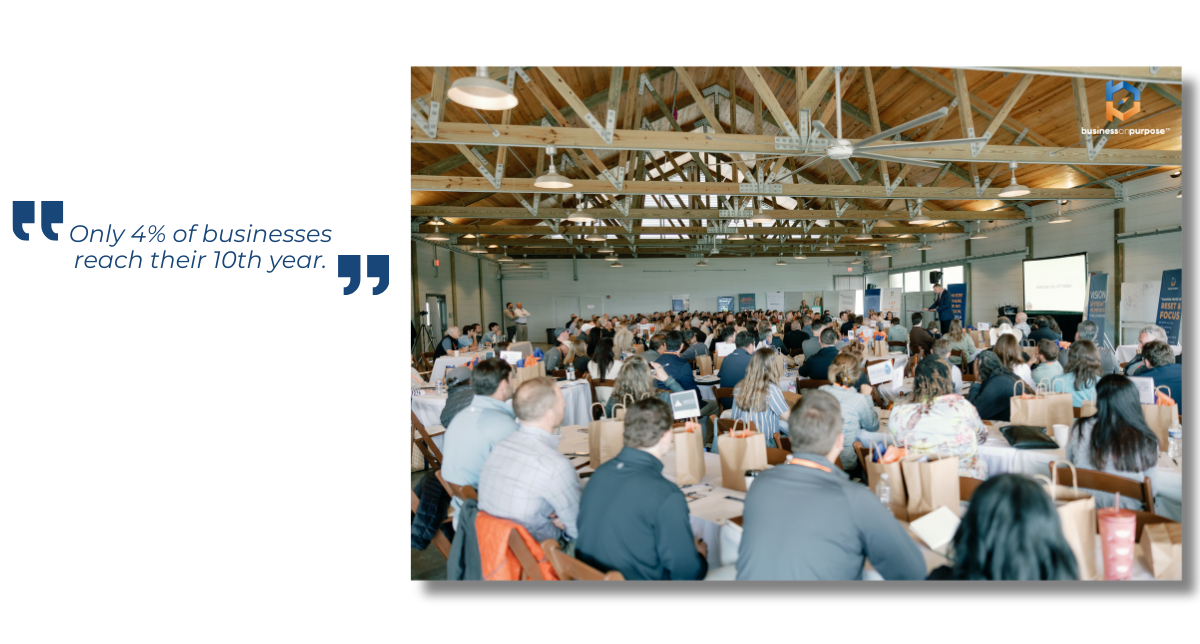
4 Percent
Only 4 percent of businesses survive to see their tenth birthday.
That means 96 percent of businesses fail before reaching that milestone.
12 Percent
Of the businesses that do survive, only 12 percent successfully transition from the first generation to the second generation.
30 Percent
Then the odds become even smaller.
Only 30 percent of those second generation businesses successfully make it to the third generation.
These numbers highlight something important. Longevity does not happen by accident. Businesses that survive multiple generations are intentionally designed to do so.
Lead Well.
If you're looking for more resources to work ON your business, we have them.
Companies like Pfizer did not reach multi generational success by chance. They built systems that allow the organization to function beyond a single leader.
Where Most of Your Wealth Is Actually Locked
Another statistic surprises many business owners.
80 percent of a business owner’s net worth is typically tied up in the business itself.
But the real insight goes even deeper.
80 percent of the value of that business is locked inside the process of the business.
Not the product.
Not the brand name.
Not even the building.
The real value lives in how the business operates.
Unfortunately, when businesses go up for sale, the results are harsh.
- 80 percent of businesses listed for sale never transact
- Only 20 percent successfully sell
That means most owners walk away from the asset they spent decades building.
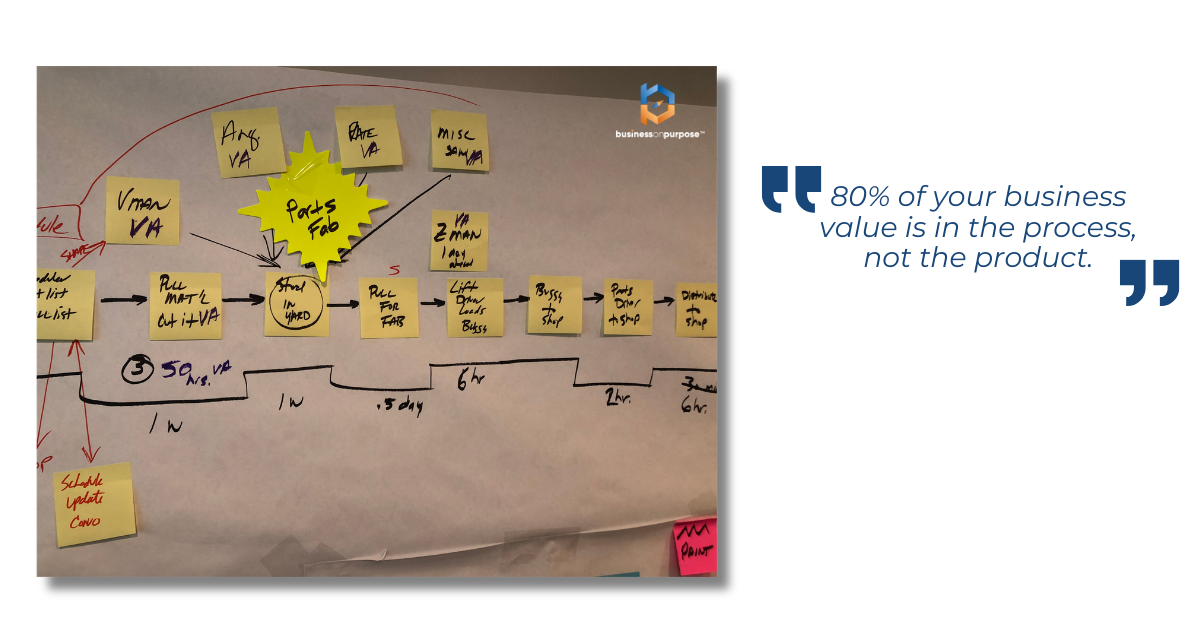
Product vs Process: Where the Real Value Lives
Many owners believe their competitive advantage is the product they sell.
In reality, products eventually become commodities.
Coffee can only get so good.
Cars can only improve so much.
Rice can only reach a certain level of quality.
The real differentiator becomes the process surrounding the product.
Consider a client in the custom home construction industry.
At first, he believed he needed to compete on price. That strategy quickly turned into a race to the bottom. Lower prices meant lower margins, lower motivation, and declining quality.
Instead of competing on price, he redesigned the experience.
He built a structured process that included:
- Strategic marketing
- A refined sales experience
- Clear operational systems
- Organized administrative and accounting workflows
Now customers were not just buying a home.
They were experiencing a professional, structured process from start to finish.
The Power of Story and Process
Think about the value of context.
Imagine someone offers you a beat up 1976 Ford Pinto. It is missing a tire and the engine does not run. Most people would only see scrap value.
Now imagine that same car was Tiger Woods’ first car in high school.
Suddenly the value changes.
The product did not change.
The story did.
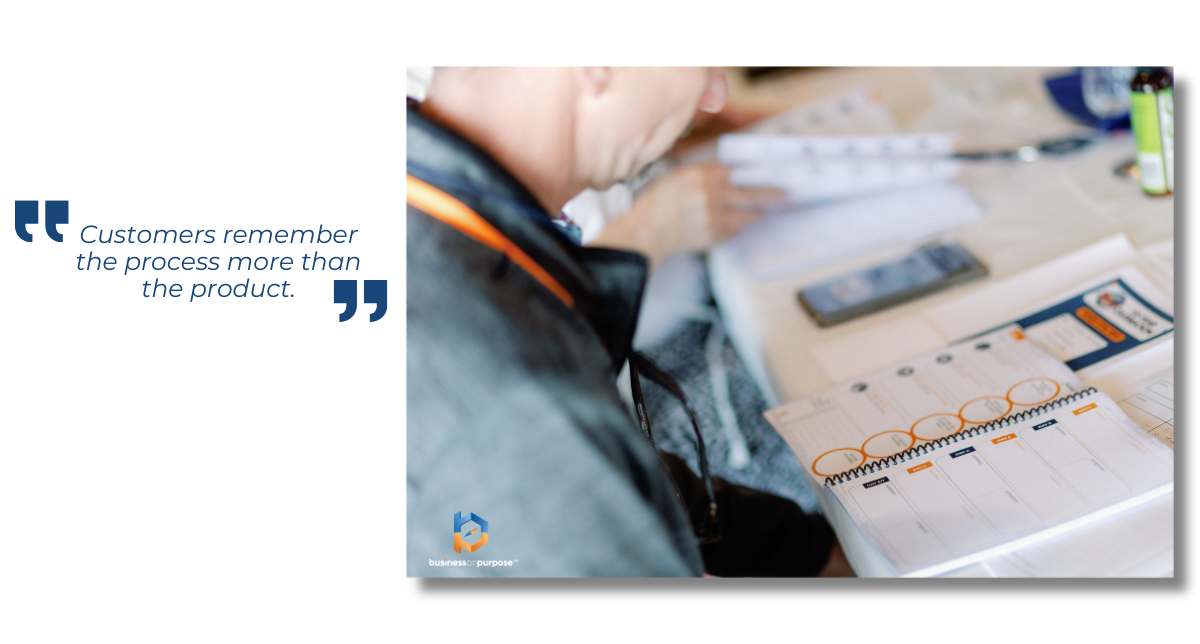
The same principle applies to businesses. The systems, the story, and the customer journey create the real value.
That is what succession planning captures and preserves.
Turning Your Knowledge Into a Transferable Asset
Right now, much of the knowledge that makes your business work exists only in your head.
That includes:
- Decision making patterns
- Customer handling methods
- Hiring instincts
- Operational shortcuts
- Leadership judgment
Succession planning extracts that knowledge and turns it into repeatable systems.
When those systems exist, other people can operate the business successfully.
Even if the next owner works in the same industry, they will never run the company exactly the way you do. Every organization has unique processes and culture.
Documenting those systems allows the transition to happen smoothly and increases the overall value of the company.
The Three Ingredients That Make a Business Transferable
A successful succession plan relies on three core elements.
Repetition
Processes must be repeatable. If results depend on one person’s memory or instincts, the system cannot scale.
Predictability
When a process is repeated consistently, outcomes become predictable. That predictability creates stability and trust.
Meaning
When employees and customers experience consistent value, the business becomes meaningful to everyone involved.
These three principles transform a business from a personal job into a transferable asset.
The Legacy Question Every Owner Must Ask
Most people do not want their legacy summarized with a single sentence about money.
A meaningful legacy includes:
- The people you helped develop
- The opportunities your business created
- The impact your company made in your community
Succession planning allows that legacy to continue while also preserving the financial value of the business.
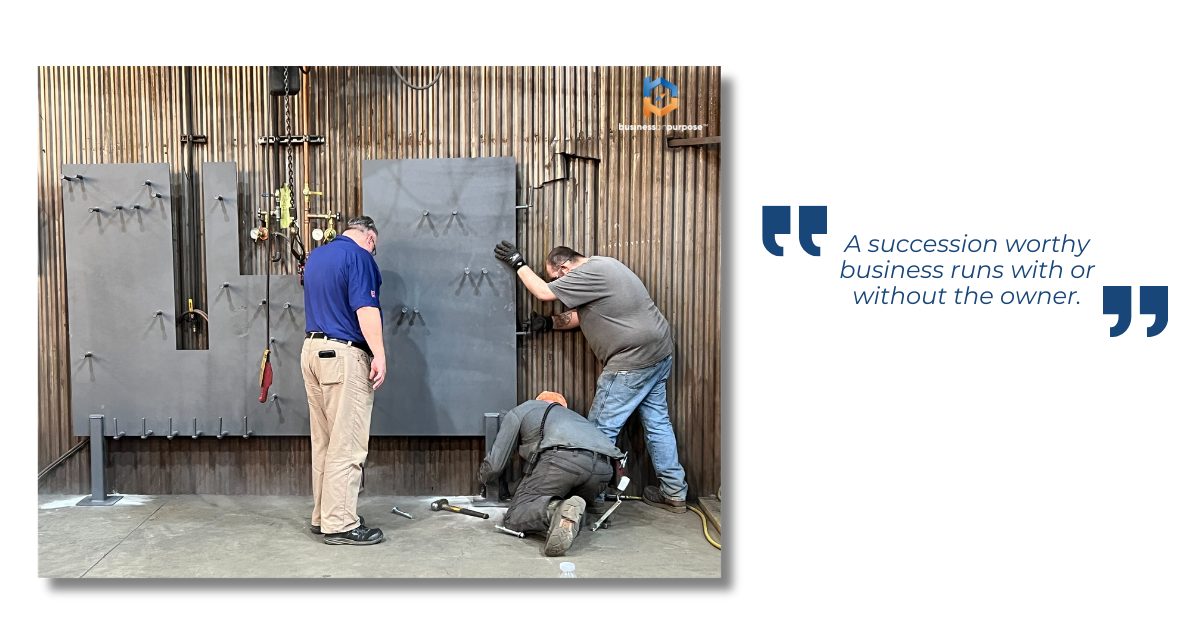
You should not have to wait until retirement to see that impact.
The systems you build today determine whether your business can continue tomorrow.
Start Building a Succession Worthy Business
If you want your business to operate without chaos and become a real asset that can be transferred or sold, succession planning must begin long before the transition.
Start by documenting the systems that make your company work.
Focus on the process your customers experience.
Build repeatable, predictable workflows that others can follow.
If you are serious about turning your business into a transferable asset, now is the time to begin structuring your systems and documenting your processes.
Start building the framework that allows your company to grow with or without you.
The businesses that survive generations are the ones intentionally designed to do so.
Scott Beebe is the founder of Business On Purpose (mybusinessonpurpose.com) and speaker for the AEC industry and author of the book Let Your Business Burn: Stop Putting Out Fires, Discover Purpose, and Build a Business That Matters. Business On Purpose works with business owners to articulate purpose, people, process, and profit to liberate owners from chaos and make time for what matters most.