The Real Problem with Business Software
You are probably using only 18% of the software you pay for, yet many business owners blame the tool instead of the real issue.
Every new app promises more freedom. In reality, it often creates more chaos.
There is a common belief that buying the right software will make everything easier. That it will somehow fix operations, save time, and simplify business. The truth is, most tools already work very well. They would not exist in the market if they did not solve real problems.
The issue is not the software.
The issue is that we do not use it.
Lead Well.
If you're looking for more resources to work ON your business, we have them.
Think of software like tools in a garage. A hammer does nothing until you pick it up and use it. The same goes for any app in your business.
Step 1: Start with Spreadsheets First
Before investing in expensive tools, start with something simple.
Spreadsheets.
They are universal, easy to use, and flexible enough to model almost any business process. You do not need advanced skills to get value from them. Rows, columns, and basic formulas already provide structure.
Use spreadsheets to track:
- Leads and prospects
- Sales follow-ups
- Operational workflows
- Administrative tasks
This approach helps you build the habit of using systems before relying on software.
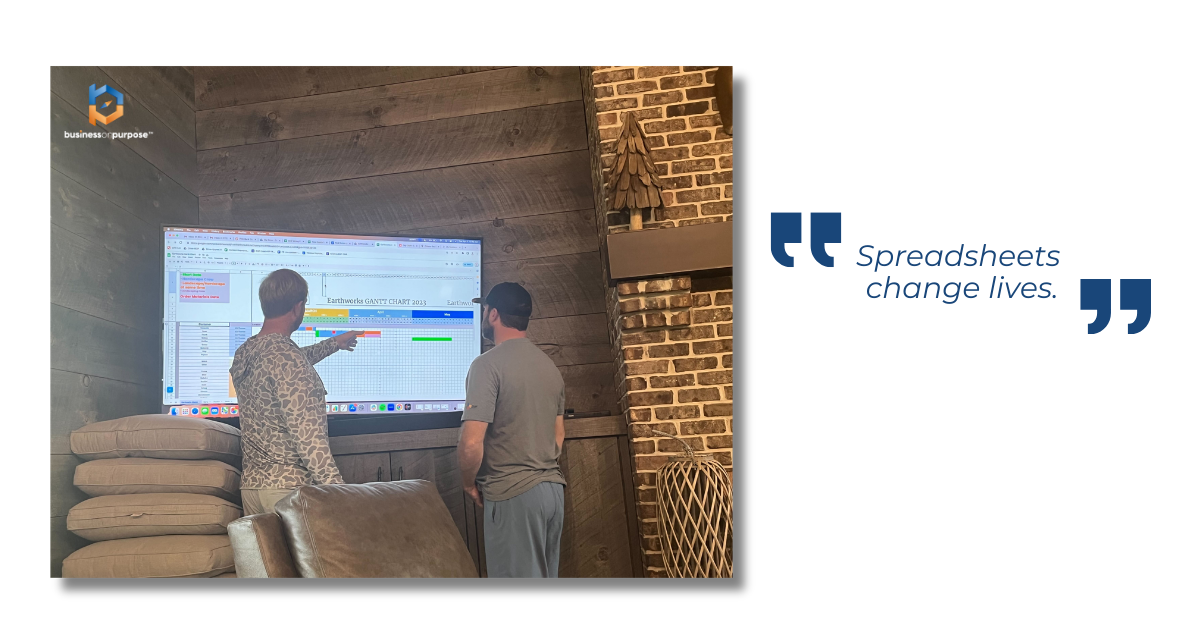
When you eventually invest in software, you will already know exactly what you need. Instead of guessing, you can show vendors a working model of your process.
Step 2: Map Your Business Processes
Once you build the habit, the next step is clarity.
You need to map how your business actually works.
Start with four foundational areas:
Purpose
- Vision
- Mission
- Values
- Culture
People
- Organizational chart
- Job roles
- Hiring processes
Process
- Daily operations
- Workflows
- Delivery systems
Profit
- Financial tracking
- Budgeting
- Cash flow systems
Then break your business into four core systems:
- Marketing
- Sales
- Operations
- Administration
Take 15 minutes and write everything down. Every step. Every task. Every workflow.
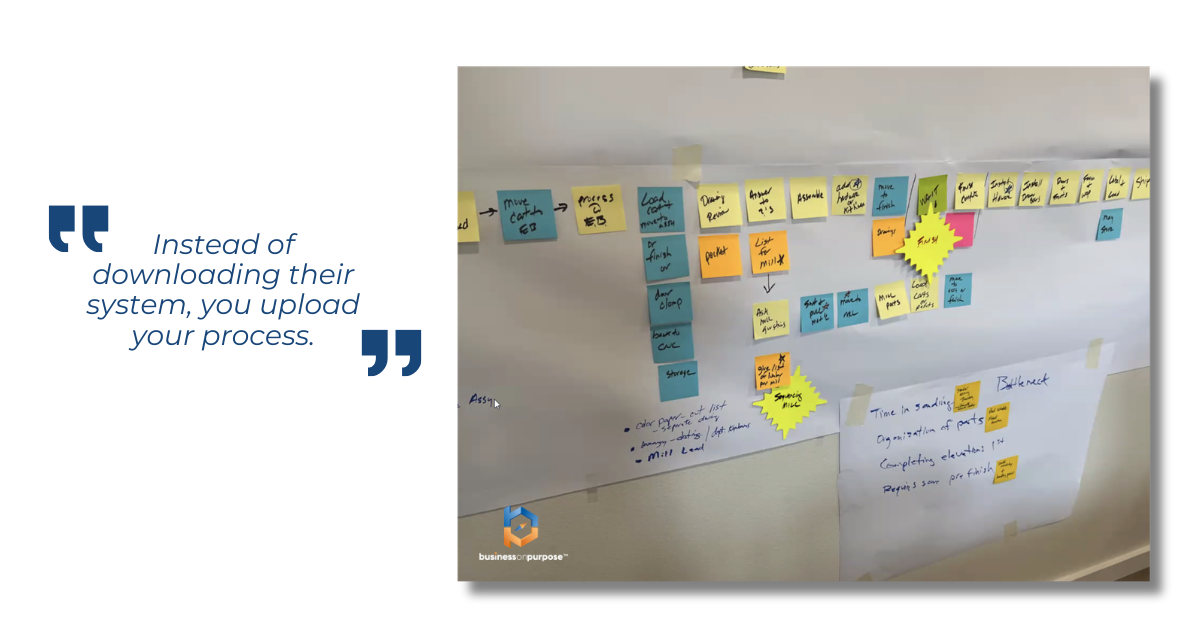
This map becomes your blueprint. When you bring in software, it is no longer generic. It becomes customized to your business.
Step 3: Train Your Team Consistently
Having systems documented is not enough.
You need to train your team.
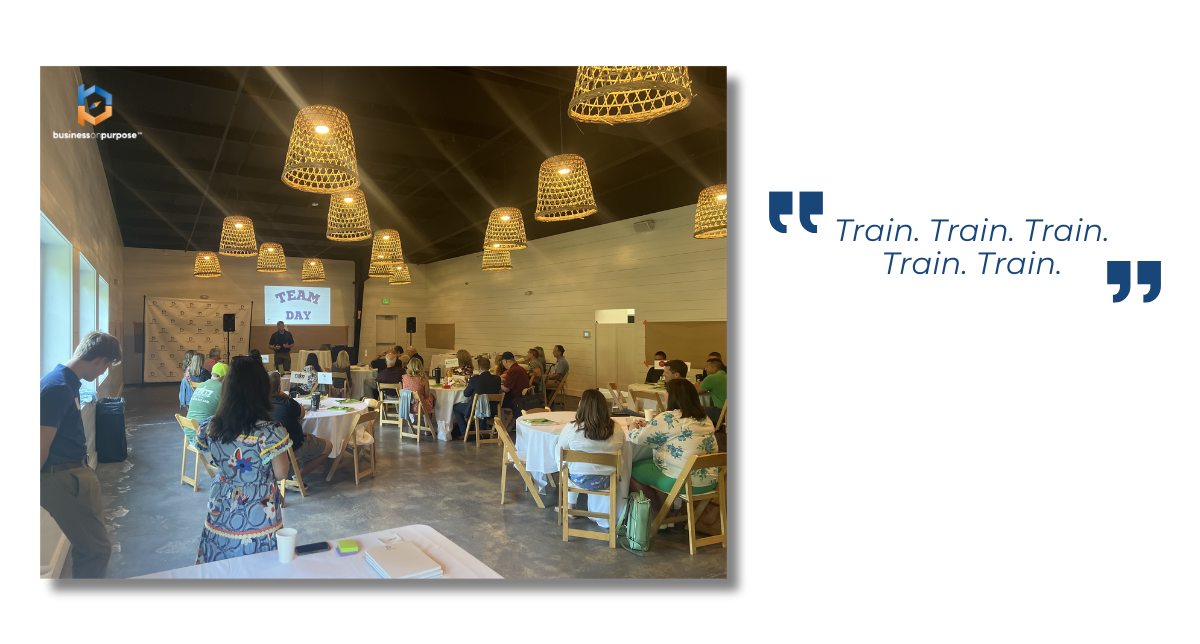
Not once. Repeatedly.
The key is what we call RPM:
- Repetition
- Predictability
- Meaning
Most leaders explain something once and expect it to stick. It does not work that way.
Training requires consistency and reinforcement.
Think about airline pilots. Even with years of experience, they still use checklists every time. That consistency builds trust, safety, and performance.
Your business should operate the same way.
The Missing Piece: Who Owns the System?
At some point, you need to answer one critical question.
Who is responsible for all of this?
As businesses grow, a new role is becoming essential. A tech stack coordinator.
This person manages all your tools, integrations, and systems. They ensure everything works together instead of creating silos.
Even small businesses today can have 20 or more tools running at once. Without someone owning that ecosystem, things quickly become disorganized.
This role can be:
- Part-time
- Fractional
- Full-time
But it must exist.
Bringing It All Together
If you want your software to actually work for your business, focus on three things:
- Build the habit using simple tools like spreadsheets
- Map your processes clearly before buying software
- Train your team with repetition, predictability, and meaning
When you combine these with the right person managing your systems, your tools stop being shelfware and start becoming powerful assets.
Ready to Take Control of Your Business Systems?
If this feels overwhelming, that is normal. Most businesses do not have these systems in place yet.
The good news is you do not have to figure it out alone.
Start small. Build your first spreadsheet. Map one process. Train one team member.
Then keep going.
If you want help building systems that actually work, reach out and start the conversation. The goal is simple. Less chaos, more clarity, and more time for what matters most.
Scott Beebe is the founder of Business On Purpose (mybusinessonpurpose.com) and speaker for the AEC industry and author of the book Let Your Business Burn: Stop Putting Out Fires, Discover Purpose, and Build a Business That Matters. Business On Purpose works with business owners to articulate purpose, people, process, and profit to liberate owners from chaos and make time for what matters most.