Technology should make your business simpler, not more chaotic.
But for most business owners, new tools create distraction instead of efficiency. Every new app feels exciting, but before long, you are juggling software instead of running your company.
The truth is simple. Technology only works when it is applied with structure.
“You’re chasing dopamine with every new app, and all this software is just kind of leaving you drunk.”
Let’s bring clarity back to how technology actually improves your business operations.
Lead Well.
If you're looking for more resources to work ON your business, we have them.

The Problem With Modern Technology
We are living in a time where technology evolves faster than we can keep up. Artificial intelligence, automation, and new platforms are everywhere. While this creates opportunity, it also creates confusion and anxiety.
There are two major problems most businesses face:
- Too Many Tools, Not Enough Clarity
Businesses often duct-tape multiple systems together. Instead of improving efficiency, this creates more complexity.
- Underutilized Technology
Most companies only use a fraction of what their tools can actually do. They adapt their workflow to the software instead of shaping the software around their needs.
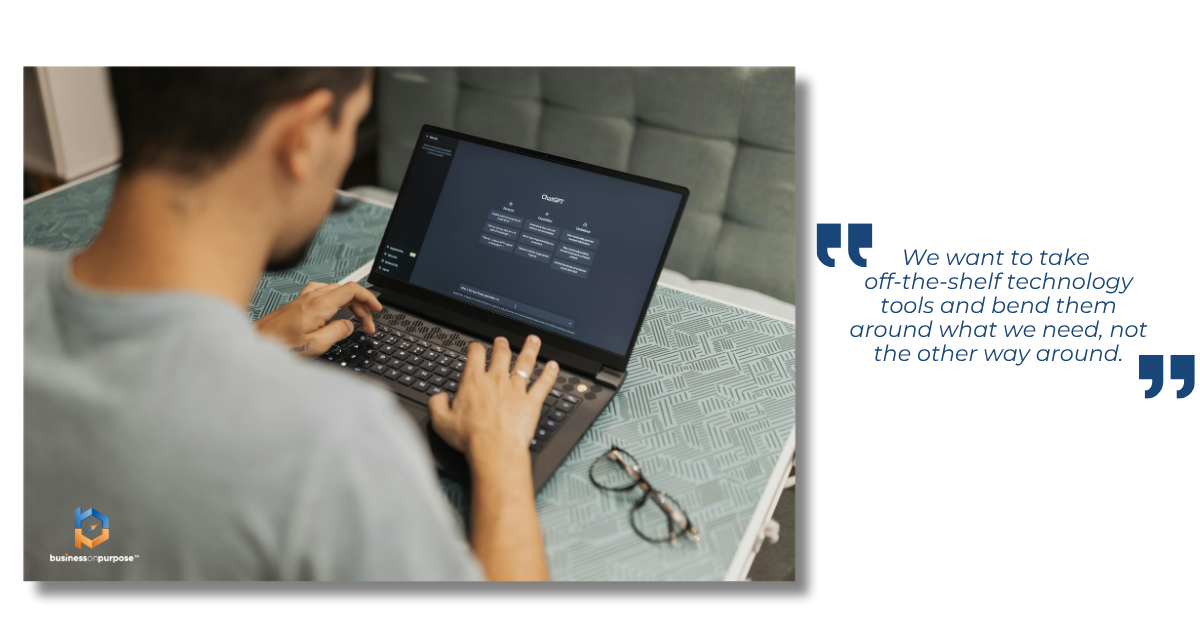
“We want to take off-the-shelf technology tools and bend them around what we need, not the other way around.”
Technology should support your business, not control it.
Understanding Business Operations First
Before applying any technology, you need to understand how your business actually works.
Every business operates on two levels:
Macro Operations
This is the full structure of your business, built on four core foundations:
- Purpose
- People
- Process
- Profit
Every business should have these clearly defined and documented.
Micro Operations
These are the day-to-day functions:
- Marketing
- Sales
- Operations
- Administration
This is how you deliver your product or service.
Technology should sit on top of both levels, not exist separately.
How To Apply Technology To Macro Operations
Start simple. You do not need complex systems to create clarity.
Tools like cloud storage platforms can be powerful when used correctly.
Example: Organizing Your Business Foundations
Create four main folders:
- Purpose
- People
- Process
- Profit
Inside these folders, document everything:
- Vision
- Mission
- Values
- Culture
- Org charts
- Job roles
- Processes
- Financial systems
Then schedule regular reviews.
For example:
- Review your full vision multiple times per year
- Review a simplified version weekly
Technology helps reinforce consistency.
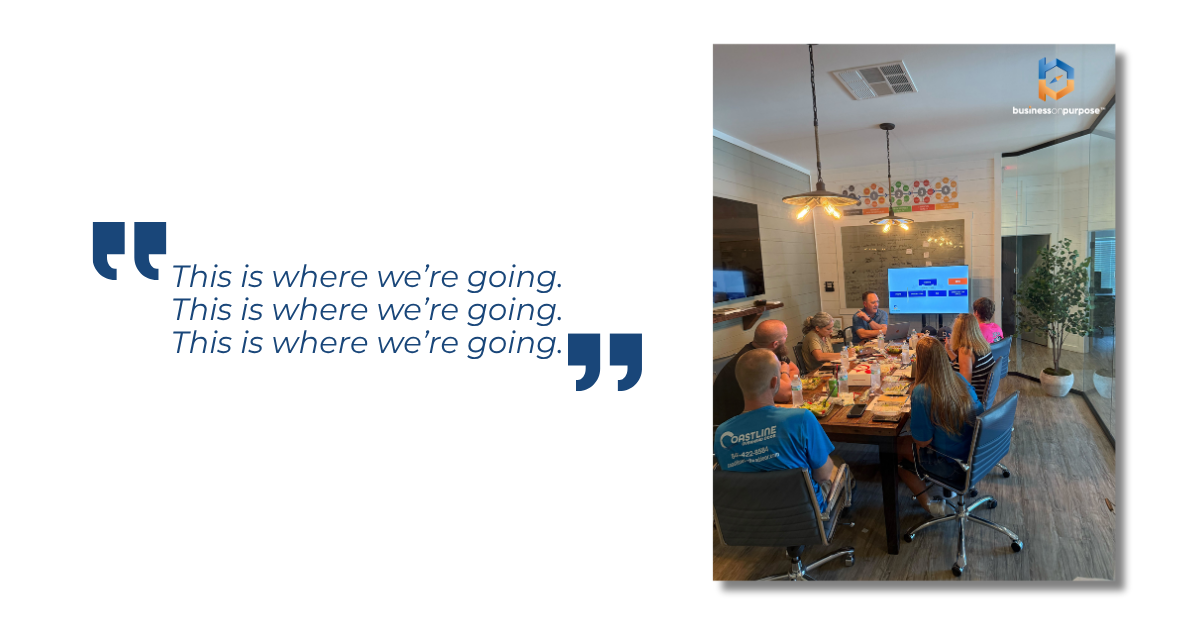
“This is where we’re going. This is where we’re going. This is where we’re going.”
That repetition creates alignment across your team.
Using AI The Right Way
AI is a tool, not a replacement for your thinking.
Do not ask AI to create your vision from scratch. Instead, bring your ideas and use AI to refine them.
For example:
- Input your full vision
- Ask AI to summarize it into one clear sentence
- Use that summary as a weekly reminder
This keeps your business focused without losing your voice.
How To Apply Technology To Micro Operations
Now shift to your daily operations.
Start with a simple exercise:
- Write down Marketing, Sales, Operations, and Admin
- Set a 15-minute timer
- List every process you can think of
This becomes your master process roadmap.
Next Step: Identify Opportunities For Technology
Look at each process and ask:
- Can this be automated?
- Can this be simplified?
- Can this be documented better?
If yes, then introduce technology.
Document Everything
Use screen recording tools to capture processes step by step.
- Record your screen
- Talk through what you are doing
- Save it for training
Start simple before moving into advanced systems.
The Missing Piece: Training
Technology alone does not create results. Training does.
No system works without:
- Repetition
- Predictability
- Meaning
Here is a real example.
A landscaping company invested heavily in weekly training. Every Wednesday morning, their team meets for structured development sessions.
They built a culture around learning.
The result?
- Industry turnover: 75% to 100%
- Their turnover: Zero voluntary exits in a year
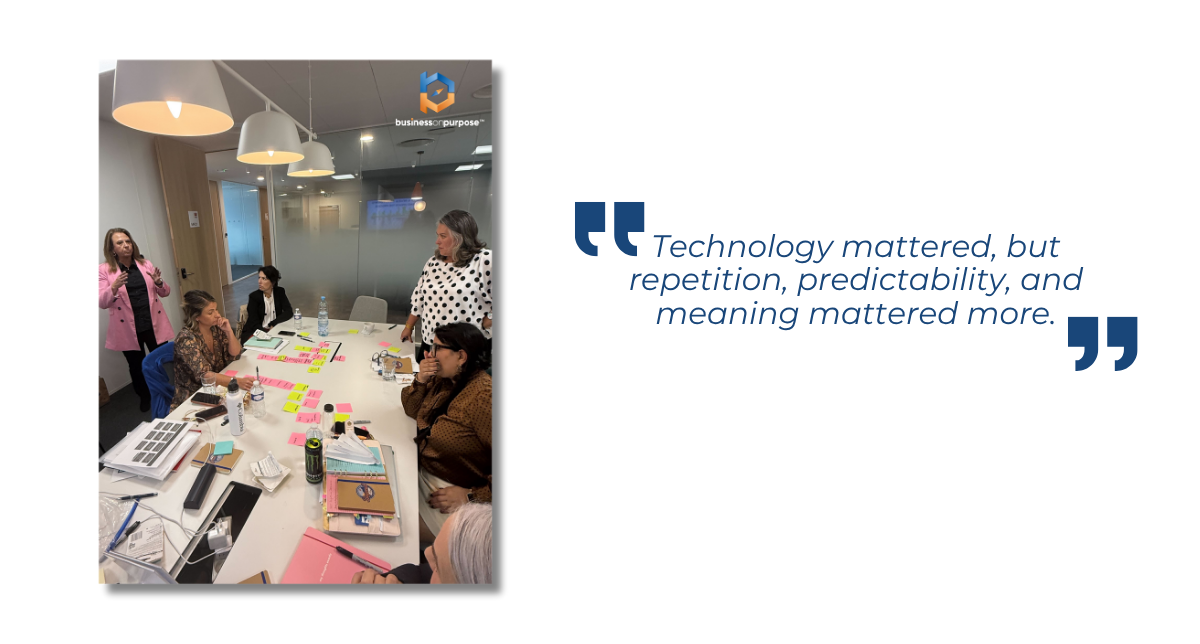
“Technology mattered, but repetition, predictability, and meaning mattered more.”
They used simple tools for years before upgrading to advanced systems.
That foundation made the difference.
Keep It Simple Before Scaling
Most business owners only spend a few hours each week working on the business instead of in it.
That time matters.
You do not need dozens of tools. You need:
- Clear structure
- Documented systems
- Consistent review
- Intentional use of technology
Start small. Build clarity. Then scale.
Final Thoughts
Technology is not the solution to chaos. Structure is.
When you understand your operations and apply the right tools in the right places, technology becomes a powerful ally instead of a distraction.
Focus on clarity first. Then let technology amplify it.
If you want to build a business that runs with clarity, not chaos, start documenting your systems today.
Block out two hours this week and map your operations.
Then choose one area where technology can simplify your workflow.
Take action now and begin building a business that works for you, not the other way around.
Scott Beebe is the founder of Business On Purpose (mybusinessonpurpose.com) and speaker for the AEC industry and author of the book Let Your Business Burn: Stop Putting Out Fires, Discover Purpose, and Build a Business That Matters. Business On Purpose works with business owners to articulate purpose, people, process, and profit to liberate owners from chaos and make time for what matters most.