Training an employee who doesn’t listen can feel like you’re talking to a brick wall instead of leading a team. By the time you’re done reading this, you’ll have clarity on how to reach that employee, how to train effectively, and what to do if termination becomes the last resort.
One of the most expensive phrases in a business is, “Yeah, yeah, I’ll get to that.”
It sounds small, but it is a symptom of something bigger. Before assuming the employee is the problem, we must separate compliance from commitment and look inward first.
Start With Self-Reflection
When you face an employee who doesn’t listen, your instinct is to look at them as the issue. Instead, start with humility and look in the mirror. Is it possible you’re unintentionally training them not to listen?
Active listening is modeled, not demanded.
Are you giving body language that communicates presence?
Are you distracted on Zoom?
Are you setting the expectation that listening is a value inside your company?
Lead Well.
If you're looking for more resources to work ON your business, we have them.
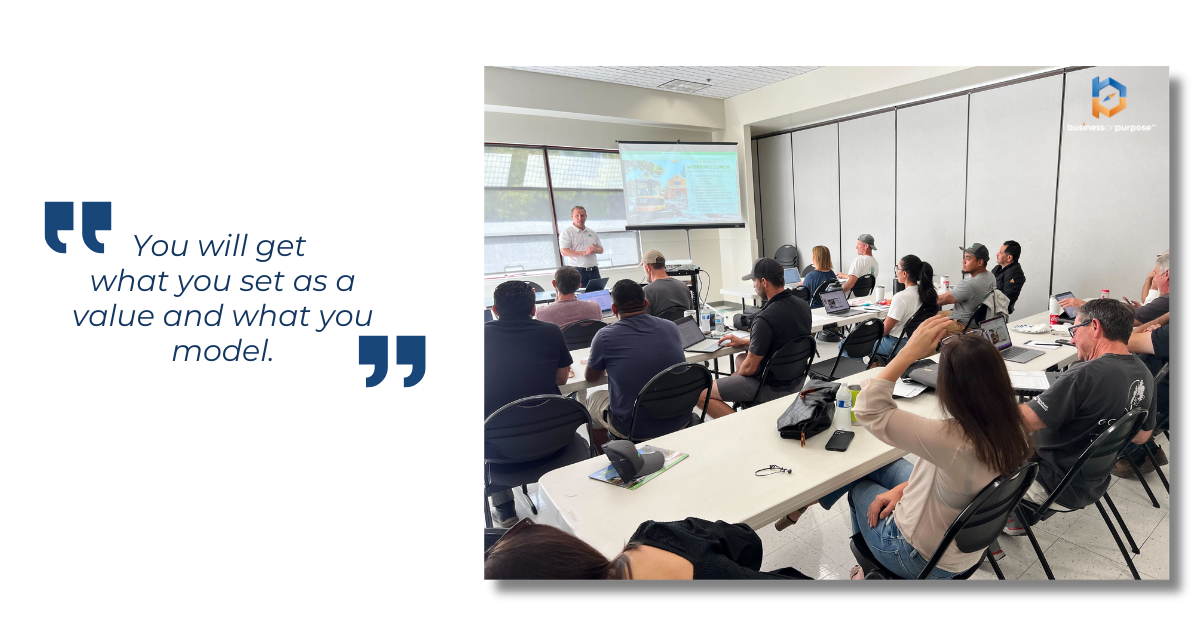
If you model poor listening, expect poor listening. What feels like “common sense” to you is not always common to someone else. If listening is important, you must train it.
Train What You Expect: The 4R Method
Before blaming—train. Because what gets trained gets implemented or gets removed.
Use the 4R Method to reset expectations around listening:
- Receive Without Distraction
Show with your body that you’re listening. No typing. No scanning screens. No half-hearted “Yeah, yeah.”
- Record
Physically write down the task. Say out loud:
“Yes, let me write that down.”
It signals respect and ensures clarity.
- Remind
A note means nothing unless you revisit it. Create prompts. Pilots do this with checklists for a reason—memory is unreliable.
- Report
Return to your leader or team and confirm progress. Redundancy creates reliability.
The Pilot Story: Why Reminders Matter
A famous aviation disaster in 1935 led Boeing to create the pilot’s checklist, one of the most important pieces of aviation technology—simple, written, and reliable. Even veteran pilots rely on it.
The takeaway? Listening requires structure, not assumption.

Your business needs redundancy too. The 4R method is that system.
What If They Still Don’t Listen?
Some of you have an employee in mind already—and your shoulders drop just thinking about them. Before deciding their future, ask one critical question:
Would they be shocked if you terminated them today?
Shock means you haven’t provided enough clarity, feedback, or expectations. Employees deserve to know where they stand.
If clarity has been missing, set a development period:
30, 60, or 90 days.
Break their role into Marketing, Sales, Operations, and Admin. List concrete expectations, review them weekly, and track progress. Within 30 days you’ll know if they’re going to make it.
Consistency is the key. Weekly check-ins create predictability and accountability.
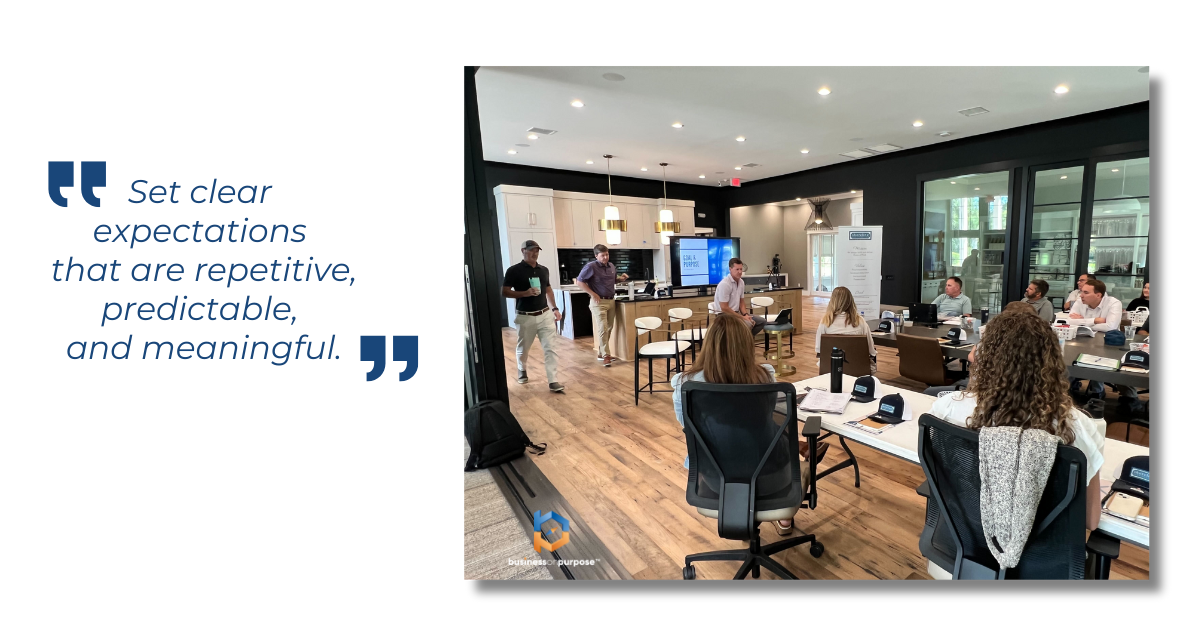
These are the RPMs of leadership—the rhythm that keeps your organization healthy.
Your Next Step as a Leader
Before reacting to an employee who won’t listen, ask yourself:
- Have I set clear expectations?
- Have I modeled active listening?
- Have I trained them rather than assumed they understand?
- Would termination shock them?
Most listening problems disappear once structure appears.
Want to avoid this problem altogether? Start with great training from day one. A strong onboarding process prevents nearly every listening issue you will face.
If you want support building a team that listens, responds, and thrives, we help business owners clarify their purpose, people, process, and profit—so you can be liberated from chaos and focus on what matters most.
Let’s build your systems, strengthen your leadership, and transform your team.
Contact us today.
Scott Beebe is the founder of Business On Purpose (mybusinessonpurpose.com) and speaker for the AEC industry and author of the book Let Your Business Burn: Stop Putting Out Fires, Discover Purpose, and Build a Business That Matters. Business On Purpose works with business owners to articulate purpose, people, process, and profit to liberate owners from chaos and make time for what matters most.