Employee training is one of the most talked about investments in business, and one of the first expenses questioned when budgets tighten. Leaders often ask, Is training actually worth it? Does it really produce a measurable return?
By the end of this article, you will understand what kind of return you should expect from employee training, how to track it, and the single action that creates predictable results from your investment.
What Return Are You Actually Looking For?
When most people talk about ROI, return on investment, they are usually thinking like a finance department. In reality, many leaders operate from a mindset of ROE, return on expense. Training, marketing, and hiring get treated as costs instead of reinvestments.
That mindset is backwards.
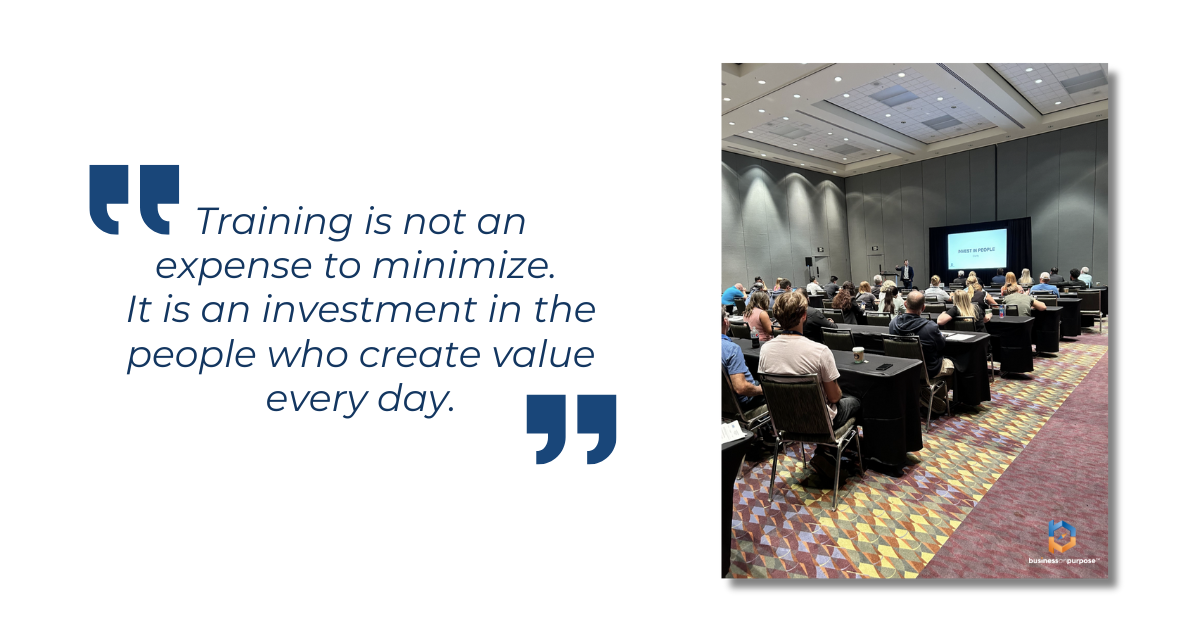
Training is not an expense to survive. It is a capital reinvestment into one of the most profitable parts of your business, your people.
For centuries, businesses have tried to replace human effort with machinery. From the industrial revolution to the automation boom to today’s AI tools, efficiency has exploded. Yet one thing has not changed.
People still matter.
We use a phrase often. BYOC, bring your own creativity. Machines can handle repetition and scale, but humans are still required to create, adapt, and lead. Training strengthens that human advantage.
Lead Well.
If you're looking for more resources to work ON your business, we have them.
Define the Return Before You Spend a Dollar
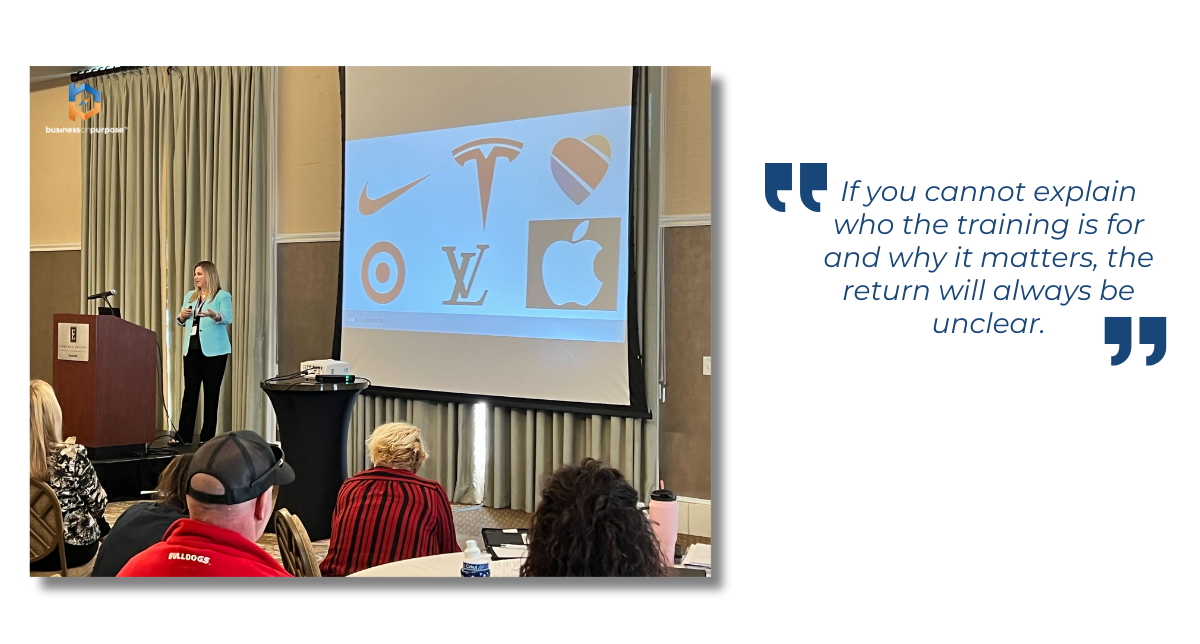
Too many companies invest in training without ever defining what they want back. Money gets allocated, programs get purchased, and no one can explain what success actually looks like.
Before you invest, answer this question clearly. What return are you expecting?
That return could include:
- Fewer mistakes that cost real money
- Higher employee retention
- Faster onboarding for new hires
- Stronger leadership and communication
- Improved execution and consistency
Employee turnover alone should get your attention. Losing an employee earning $50,000 to $60,000 typically costs $15,000 to $20,000 in turnover expenses. For six figure employees, replacement costs often equal or exceed their annual salary.
Retention is not soft. It is financial.
When you define the return first, training stops being random spending and becomes intentional investment.
Identify Who Needs What Training
Yes, everyone needs training. No, everyone does not need the same training.
Start by segmenting your team:
- New employee onboarding
- Operations training
- Marketing training
- Accounting and administrative training
- Company wide training like handbook standards and core values
Some training applies across the organization. Soft skills, feedback processes, and core values are examples. Other training belongs inside specific roles and departments.
A simple list on a scratch pad works. Write down each role in your company and the training required to support the return you identified earlier.
Deliver Training Through What You Already Do
The easiest way to deliver training is not through expensive platforms or complicated systems. It is through what we call the Big Five Feedback Loop.
These are meetings you should already be having:
- One hour weekly leadership team meeting
- One hour weekly departmental meetings
- Monthly or bi monthly executive level meetings
- Annual performance reviews
- Regular one on one check ins
Think of training like a hospital IV port. Instead of injecting information through dozens of disconnected methods, you run it all through one central access point.
Add training as a standing agenda item in your existing meetings.
- Train on the handbook during team meetings
- Train on processes during departmental meetings
- Reinforce expectations during one on ones
Repetition creates clarity. Predictability builds confidence. Meaning drives action.
Track the Return Without Overcomplicating It
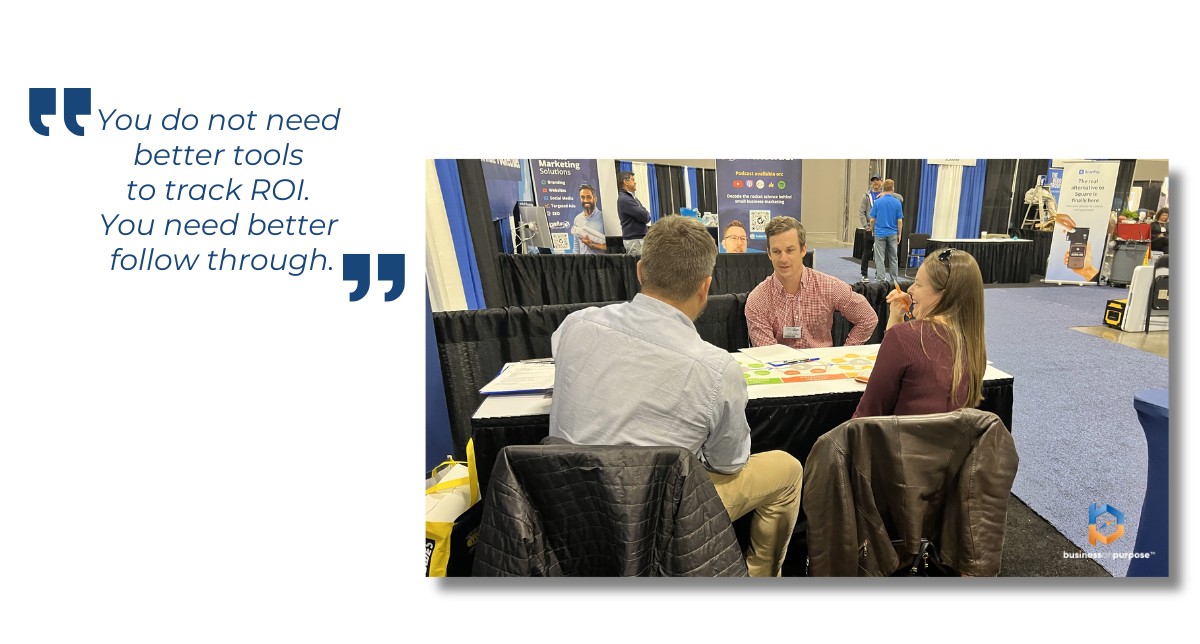
Tracking ROI does not require expensive software. It requires discipline.
Start simple:
- Did the training happen? Yes or no.
- Was it delivered consistently?
- Are mistakes decreasing?
- Are people staying longer?
A spreadsheet is more than enough to begin. Track weekly training topics, attendance, and observable outcomes. Over time, patterns become obvious.
Better systems can come later. Consistency comes first.
The Bonus That Makes Training Stick
The fastest way to improve training ROI is to apply RPMs:
- Repetition
- Predictability
- Meaning
When your team knows what is coming, sees it consistently, and understands why it matters, training stops being noise and starts driving results.
Put training on the agenda every week. Keep it visible. Keep it relevant.
Final Thoughts and Next Steps
Employee training works when it is intentional, targeted, and reinforced over time. Define the return. Identify the audience. Deliver through existing meetings. Track consistently.
If you want to take this further, the most powerful place to start is new employee training. Setting expectations upfront creates momentum that compounds over time.
Click the link below to learn how to build a training system that creates clarity, consistency, and measurable results. Then take action.
Scott Beebe is the founder of Business On Purpose (mybusinessonpurpose.com) and speaker for the AEC industry and author of the book Let Your Business Burn: Stop Putting Out Fires, Discover Purpose, and Build a Business That Matters. Business On Purpose works with business owners to articulate purpose, people, process, and profit to liberate owners from chaos and make time for what matters most.