Bringing a new employee into your business is one of the most important leadership moments you will ever have. The way you train them sets the tone for their confidence, performance, and long term commitment.
By the end of this post, you will understand the one thing employees want most when they start a new role. You will also learn three core questions to ask during training and a simple, real life system to organize, deliver, and reinforce training so your team wants to stay and grow.
What New Employees Really Want
Business owners often say the same thing.
“It’s hard to find good people. Nobody wants to work anymore.”
But here is the hard truth. People want to work. They just do not want to work in confusion.
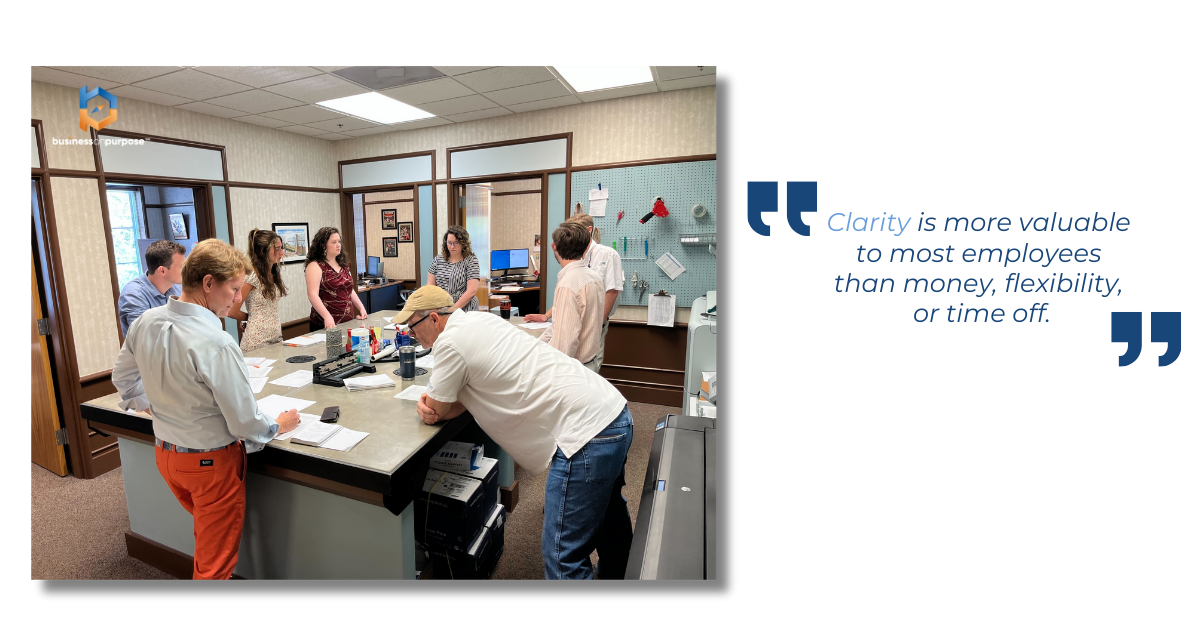
Younger employees want clarity more than money, more than flexibility, and more than perks. And honestly, so do experienced employees. Clarity builds confidence. Confidence builds ownership.
If you want to know what your employee truly wants, the answer is simple.
Ask.
Lead Well.
If you're looking for more resources to work ON your business, we have them.
Stop Assuming and Start Asking Better Questions
Most leaders do not ask because they are afraid of the answer. Or they ask once and stop at the surface level response.
This is where the Why Drill comes in.
Instead of reacting to the first answer, ask why in a respectful, curious way. Then ask why again. Each layer reveals what actually matters.
When employees say they want more money, they are often saying they want security, freedom, or less stress. If you never dig deeper, you will solve the wrong problem.
Listening well starts with receiving without distraction. Then you record what you hear, remind yourself of it, and report back with action.
Three Questions Every New Employee Needs Answered
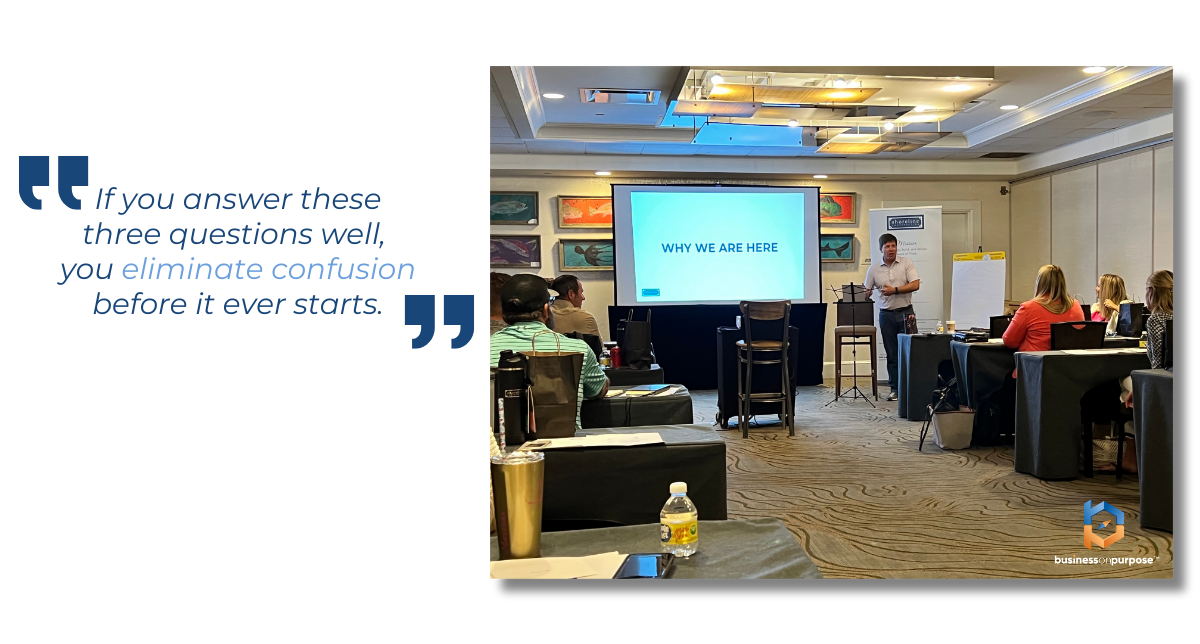
Once you commit to clarity, these three questions will transform how you train.
- What could I provide for you so you do not feel babysat
This helps define autonomy and expectations early. - What would I want to know if this were my role
This keeps training practical instead of theoretical. - What would the client expect you to know
This connects the role directly to value and service.
If you walk through these questions thoughtfully, you will gain deep insight into what your new team member actually needs to succeed.
Adopt the Systems Mindset
Here is a simple rule.
Capture everything like it is the last time you will ever do it.
Any task you delegate should be recorded. Use a document, a spreadsheet, or a quick screen recording. This gives your employee a clear model to follow and removes guesswork.
When leaders skip this step and rely on verbal instructions, the results are inconsistent. When they record the process, quality and speed improve dramatically.
Create One Simple Training Tool: The Anchor
You do not need expensive software to train well.
Start with a spreadsheet and name it The Anchor.
Just like a climbing anchor holds everything together, this document becomes the central point of your training. Map out your training across 52 weeks. Organize it by the four core systems of every business.
- Marketing
- Sales
- Operations
- Administration
These systems sit on top of four foundations: purpose, people, process, and profit.
Link every recorded training inside the Anchor so employees know exactly what to review each week.
Reinforce With Repetition and Accountability
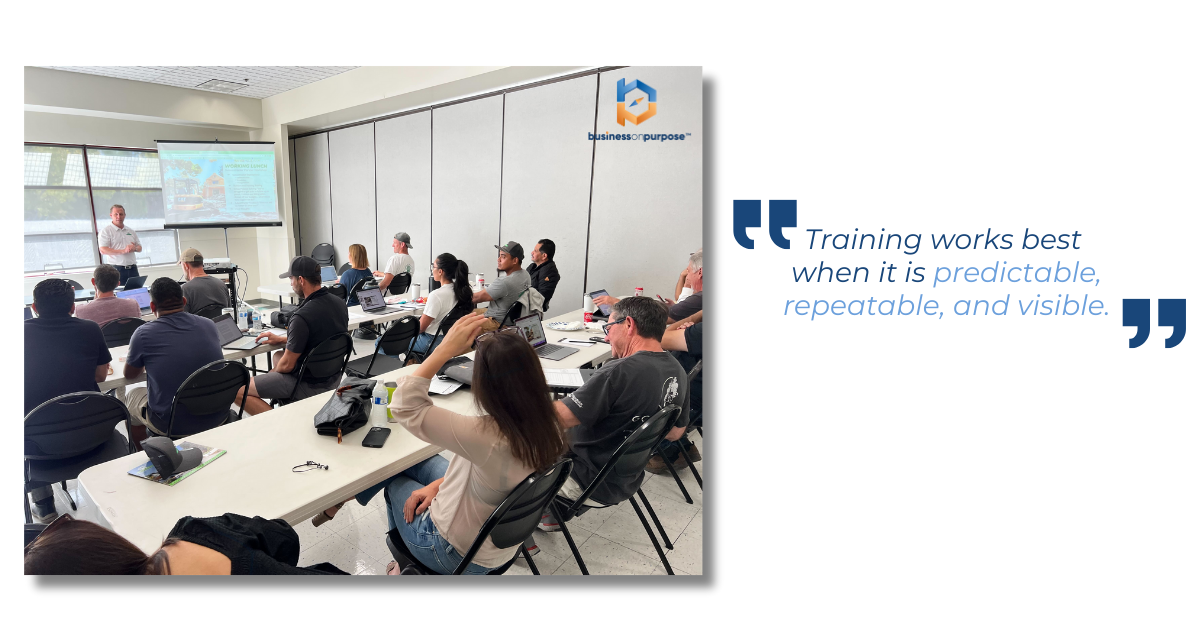
Training is never one and done.
Repetition is what builds mastery. Pilots still use checklists after thousands of flights. Athletes and military teams train constantly even when they are already skilled.
Use your weekly team meetings to ask one simple question.
Did you complete the training?
If a process is not being followed, one of two things is broken. Either the process itself or the accountability around it. Training allows you to identify the difference and fix it before mistakes become expensive.
Train So You Can Let Go
When training is clear, documented, and reinforced, employees stop needing supervision. They step into ownership. They grow faster. They stay longer.
That is how you build a team that leans into responsibility instead of running from it.
If you want to go deeper and walk step by step through building a full training system, take the next step and commit to developing your people with intention.
If you are ready to stop managing chaos and start building confident, capable employees, begin by documenting your next task and asking better questions. Clarity is the foundation of leadership.
Scott Beebe is the founder of Business On Purpose (mybusinessonpurpose.com) and speaker for the AEC industry and author of the book Let Your Business Burn: Stop Putting Out Fires, Discover Purpose, and Build a Business That Matters. Business On Purpose works with business owners to articulate purpose, people, process, and profit to liberate owners from chaos and make time for what matters most.