A succession plan is not just about stepping away from your business. It is about transforming a company that feels like it controls you into a sellable asset that can run and grow with or without you.
Most business owners do not realize that selling to an outside buyer is very different from transitioning to family or employees. And the single biggest factor destroying the value of your business is often invisible. It is locked inside your head.
Let’s walk through the six step process to change that.
Step 1: Start With Why
Before you do anything else, ask yourself one critical question:
Why do you want to create a succession plan?
Maybe someone in your peer group mentioned it. Maybe you read about it in a book. Maybe a private equity firm approached you with an offer. None of that matters unless your reason is clear and personal.
Without motivation and inspiration, there is no momentum.
Many business owners come to us after receiving an offer from an outside buyer. They assume it is about the money. Then we walk through the details. The five million dollar dream often becomes two and a half million after earnouts, conditions, and years of reporting to a boss they may not like.
Lead Well.
If you're looking for more resources to work ON your business, we have them.
Clarity always comes before strategy.
Step 2: Build Your Succession Planning Team
You cannot do this alone.
Every business owner needs a team of advisors, including:
- A Certified Exit Planning Advisor who acts as the quarterback
- A CPA
- A CFP
- An attorney
- A valuation specialist
Your exit planning advisor coordinates the process and ensures the right conversations are happening with the right people at the right time.
This is not a DIY project. Business transitions are complex, and the terms can vary widely. Surround yourself with professionals who understand the landscape.
Step 3: Identify, Protect, and Build Value
Before you build value, you need to understand what your business is worth.
But here is what surprises most owners.
You must protect value before you build it.
Think of your business like a boat. If it has holes in it, making it bigger will not stop it from sinking. You need to plug the holes first. That means reviewing insurance, legal structures, estate planning, trusts, and operational risks with qualified professionals.
Once those holes are sealed, then you can grow with confidence.
Step 4: Systemize the Business
This is where most of the value lives.
Buyers are not purchasing you. They are purchasing a system.
We often believe our product is the value. In reality, your process is the product.
There are plenty of businesses selling something similar to yours. What makes yours valuable is how you deliver it.
Eighty percent of your business value is tied to process.
To build a transferable system, focus on the Four Ps and the MSA of process.
The Four Ps
- Purpose
Purpose includes:
- Vision, which is a detailed snapshot of the future
- Mission, which explains why you are going there
- Values, which act as decision making filters
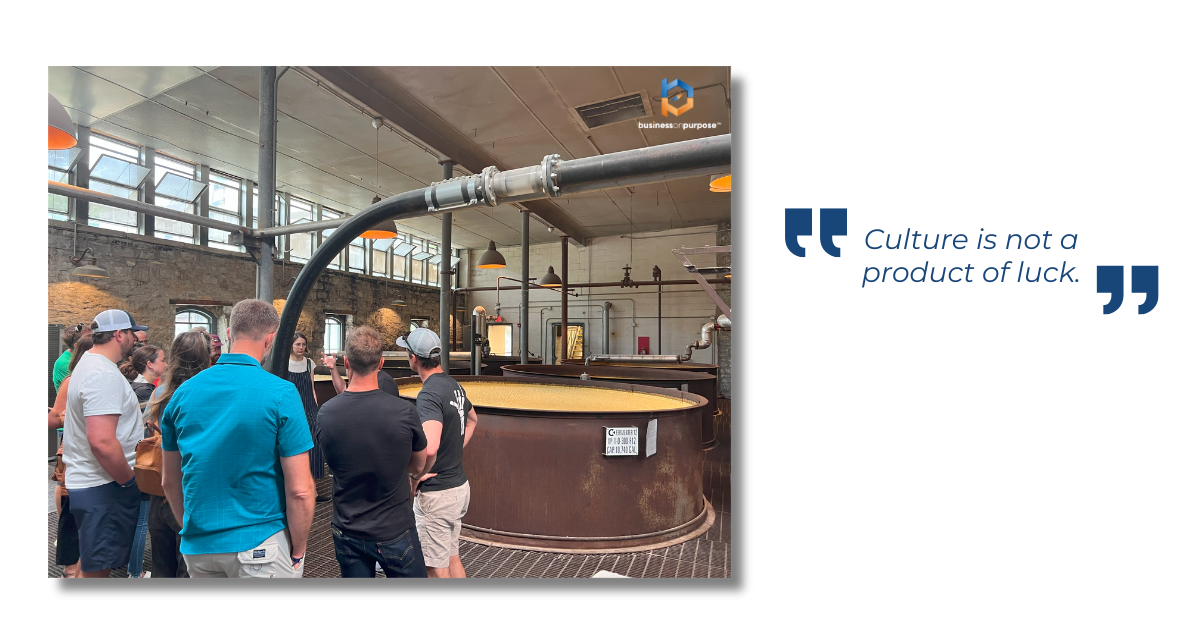
- Culture, which is intentionally built
Culture is not luck. It is created through repetition, predictability, and meaning. Weekly meetings, structured one on ones, consistent training, and clear leadership create the environment you want.
- People
Your people help achieve the vision, and they benefit from it too.
To support them, you need:
- A clear organizational chart
- Written job roles
- Scorecards that define daily, weekly, monthly, quarterly, and annual expectations
- A structured hiring and onboarding process
The people you have are a direct result of how you hire and train.
When roles are clear, micromanagement decreases and creativity increases. Your team flourishes because they understand the foundation.
- Process
Break your business into four core systems:
- Marketing
- Sales
- Operations
- Administration and accounting
Take a sheet of paper and write these across the top. Under each one, list every process title in that area.
Marketing might include website updates, social media, outreach, and advertising campaigns.
Sales includes scripts, estimating, bidding, and discovery.
Operations and administration cover everything from project execution to HR and financial management.
Getting these processes out of your head and onto paper increases business value instantly. It allows your team to operate within a structured system aligned with the company vision.
- Profit
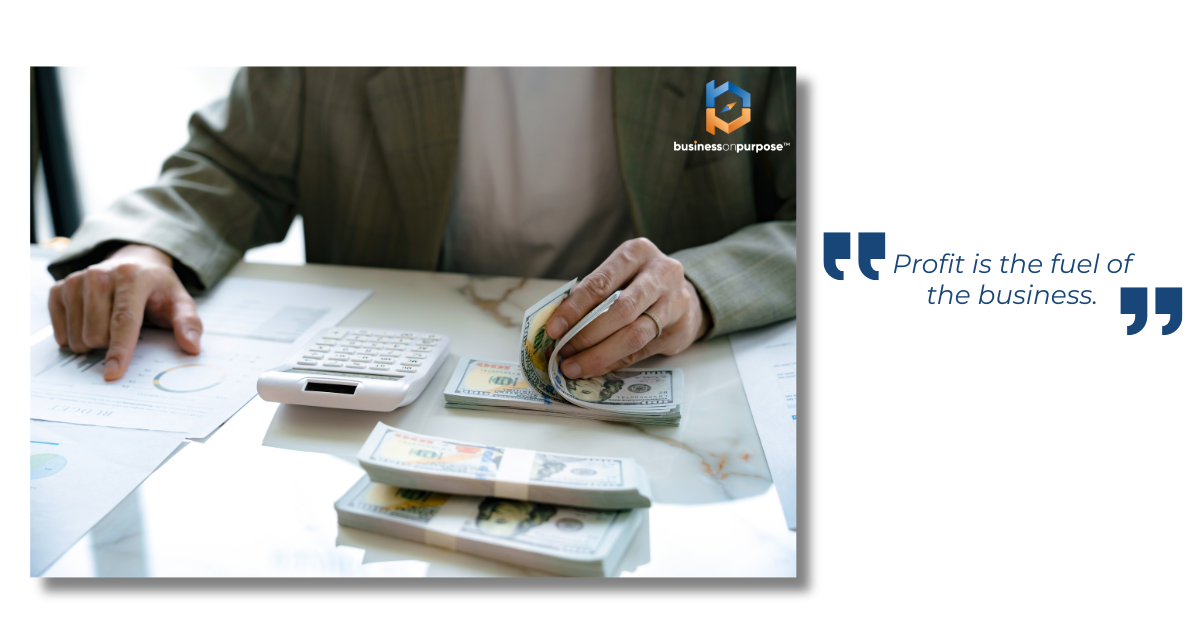
Profit gives you options.
Look at profit in three time frames:
- Past, through balance sheets and P and L statements
- Present, through dashboards and real time tracking
- Future, through budgets and proformas
Some owners subdivide their bank accounts so that every incoming dollar is automatically allocated to specific categories. This structure creates clarity and control.
When your financial systems are clear, your processes are documented, and your people are aligned with purpose, you have a true asset.
Step 5: Decide Who You Are Transitioning To
You have three broad options:
- Continue running it yourself
- Transition to family, friends, or employees
- Sell to an outside buyer
Each path requires preparation. Each has emotional and financial implications. Accountability with your advisors is critical as you evaluate these choices.
Step 6: Train and Prepare Your Team
A system only works if people are trained to run it.
If you want your business to function without you, your hiring and onboarding processes must prepare team members to execute the documented systems effectively.
That is how you build the backbone of your business.
Final Thoughts
A succession plan is not just about exiting. It is about transforming your company into a self sustaining asset.
When you clarify your why, assemble the right advisors, protect value, systemize operations, strengthen profit, and prepare your people, your business stops controlling you.
It becomes something that can grow with or without you.
Ready to Build a Business That Runs Without You?
Start today. Grab a sheet of paper, map out your four core systems, and begin documenting what is currently trapped in your head.
Freedom is built through structure.
Scott Beebe is the founder of Business On Purpose (mybusinessonpurpose.com) and speaker for the AEC industry and author of the book Let Your Business Burn: Stop Putting Out Fires, Discover Purpose, and Build a Business That Matters. Business On Purpose works with business owners to articulate purpose, people, process, and profit to liberate owners from chaos and make time for what matters most.