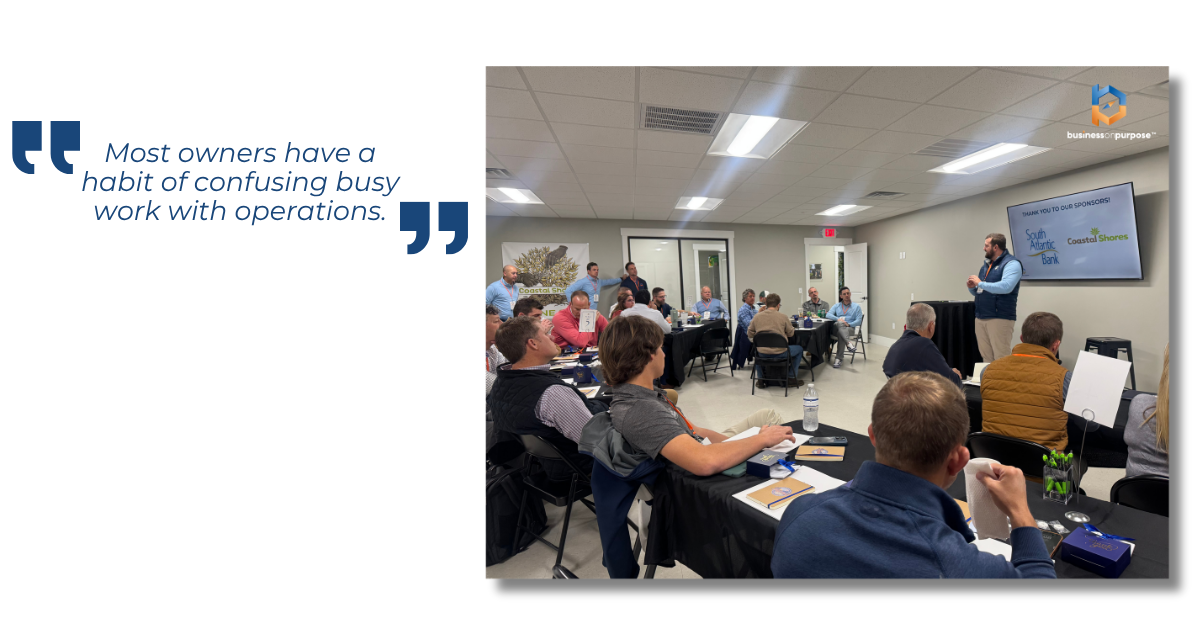
Running a business can feel like constant chaos. Emails, calls, tasks, and responsibilities pile up every single day. Many business owners believe they are managing operations, but in reality, they are stuck in busy work that keeps them trapped in a cycle that never stops.
The truth is simple. If you do not clearly understand your day-to-day operations, your business will end up running you instead of the other way around.
Lead Well.
If you're looking for more resources to work ON your business, we have them.
The Problem With “General” Thinking in Business
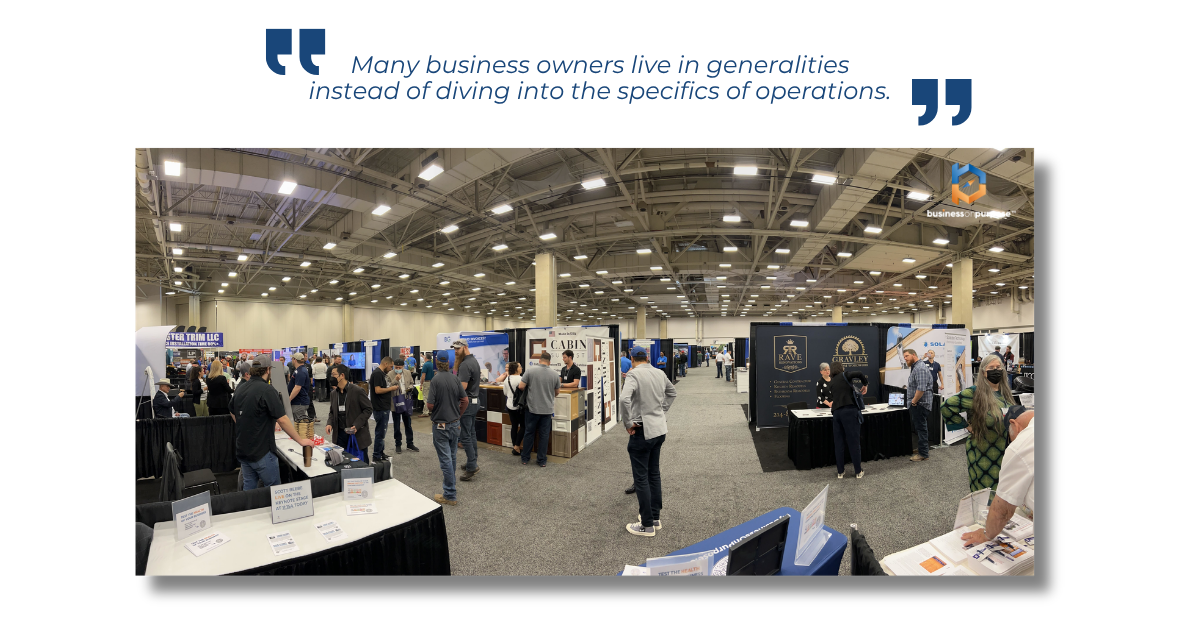
Imagine walking into a trade show and asking someone what they do. You hear answers like, “I’m in construction.” That sounds fine on the surface, but it lacks clarity.
What kind of construction? Residential? Commercial? Renovations? Custom builds?
Many business owners think in general terms. They believe they offer a general product to a general audience. That mindset creates confusion and limits growth.
Only a small percentage of businesses make it past ten years. One major reason is this lack of specificity. Businesses that thrive understand the details, especially when it comes to daily operations.
The Myth of Freedom in Business Ownership
People start businesses because they want freedom. They want to be their own boss and control their time.
But reality often looks very different.
Many owners feel like they work for themselves but do not actually enjoy it. They are stuck in an endless loop of tasks, constantly reacting, never stepping back.
The business becomes the boss.

Understanding Business Operations as a System
Operations are not just about delivering a product or service. They exist within a larger system.
Think of your business as an operating system built on four key foundations:
- Purpose
This includes your vision, mission, values, and culture. These elements define why your business exists and how it behaves.
- People
Your team structure, roles, hiring process, onboarding, and goals all fall here. Without clear people systems, execution breaks down.
- Process
This is where operations live. These are the repeatable steps that keep everything running.
- Profit
This includes your financial systems such as budgets, cash flow, dashboards, and projections.
When these four areas work together, your business becomes structured instead of chaotic.
The Four Types of Daily Operations
To truly understand day-to-day operations, break them into four categories:
Marketing Operations
The processes that ensure people hear about your business.
Sales Operations
The steps that convert interest into paying customers.
Operations (Fulfillment)
The delivery of your product or service.
Admin and Accounting Operations
Everything behind the scenes that supports the business, including finances and team management.
These are not random tasks. They are structured processes that must be defined and repeated.
Your Product Is Not Your Product
This idea changes everything.
Many business owners believe their product is what they sell. For example, building homes or offering services.
That is not entirely true.
What you are really selling is the process used to deliver that product.
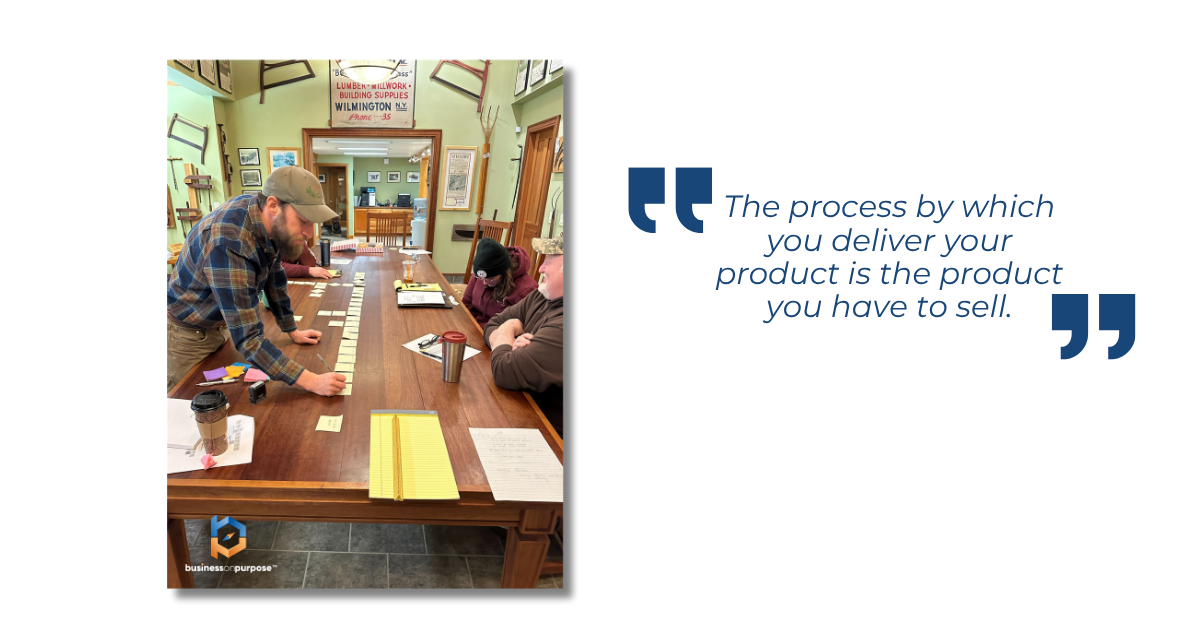
When your processes are clear, documented, and repeatable, your business becomes scalable. It also becomes transferable, meaning it can run without you.
Why Process Creates Freedom
A business that lives only in your head cannot grow beyond you. It cannot be delegated, trained, or sold.
But when your processes are written down and structured, they become assets.
You can:
- Train your team
- Delegate tasks
- Improve efficiency
- Step away without everything falling apart
This is how you move from being stuck in the business to actually leading it.
A Simple Exercise: The Master Process Roadmap
Here is a practical way to get started.
- Divide your business into four areas: marketing, sales, operations, and admin
- Set a timer for 15 minutes
- Write down every process you can think of
Do not worry about details yet. Just list the processes.
Examples:
- Updating the website
- Handling invoices
- Managing permits
- Customer follow-ups
Aim for at least 40 to 50 processes.
This exercise helps you take everything out of your head and put it into something visible and usable.
The T5 Strategy: Train, Train, Train
Once your processes are mapped, the next step is simple but powerful.
Train your team consistently.
Repetition builds clarity. Clarity builds confidence. Confidence builds execution.
When your team understands the processes, they can run the business operations while you focus on bigger decisions.
From Chaos to Control
It is normal to feel overwhelmed when looking at all of this. Most businesses do not start with these systems in place.
But this is the path forward.
When you define your processes, train your people, and build systems around purpose and profit, your business transforms.
Instead of waking up with stress and uncertainty, you gain clarity and control.
If your business feels like constant chaos, start small. Take 15 minutes today and map out your processes. That single step can begin to change everything.
And if you are ready to go deeper, start building systems that allow your business to run without depending on you every minute.
Freedom in business is not accidental. It is built through structure, clarity, and consistent execution.
Scott Beebe is the founder of Business On Purpose (mybusinessonpurpose.com) and speaker for the AEC industry and author of the book Let Your Business Burn: Stop Putting Out Fires, Discover Purpose, and Build a Business That Matters. Business On Purpose works with business owners to articulate purpose, people, process, and profit to liberate owners from chaos and make time for what matters most.