Running a business without a plan can feel like flying blind. Many business owners spend their days answering emails, putting out fires, and juggling endless responsibilities. But when something unexpected hits, that lack of structure quickly turns into chaos.
A strong operational plan brings clarity, direction, and control. It helps you lead your team with confidence and ensures everyone knows exactly what needs to happen next.
The Lesson From a Helicopter Pilot
There is a powerful lesson from a young Army helicopter pilot. At just 22 years old, he was responsible for flying a $50 million aircraft alongside another pilot.
When asked about backup plans, his response was simple:
“My whole life and career is a redundancy plan.”
Every mission is mapped out in detail. Every possible scenario is anticipated. Every second has a plan, and a backup plan.
In business, most people are doing the opposite. They are improvising. Reacting. Winging it.
Before you can even think about backup plans, you need a solid operational plan.
Lead Well.
If you're looking for more resources to work ON your business, we have them.

Why Most Businesses Feel Chaotic
Many business owners operate without a clear structure. They are busy, but not always effective.
They lack:
- A defined direction
- Clear roles for their team
- Documented processes
- Financial clarity
Without these elements, every challenge feels like a punch to the mouth.
“Everybody’s got a plan till they get punched in the mouth.”
An operational plan is what keeps your business steady when those punches come.

The Business Operating System
Think of your business as an operating system. Every system has structure, inputs, and outputs. Without it, things break down quickly.
An effective operational plan is built on two layers:
- The Macro Operating System
This is the big picture of your business. It is built on four foundational cornerstones:
- Purpose
Defines where you are going - People
Identifies who will help you get there - Process
Outlines what needs to be done - Profit
Measures how much fuel you have to sustain growth
Each of these areas includes tools that support your business. These may include:
- Vision story
- Job roles and responsibilities
- 12 week goals
- Hiring systems
- Financial dashboards
These tools do not deliver your product or service. They run your business.
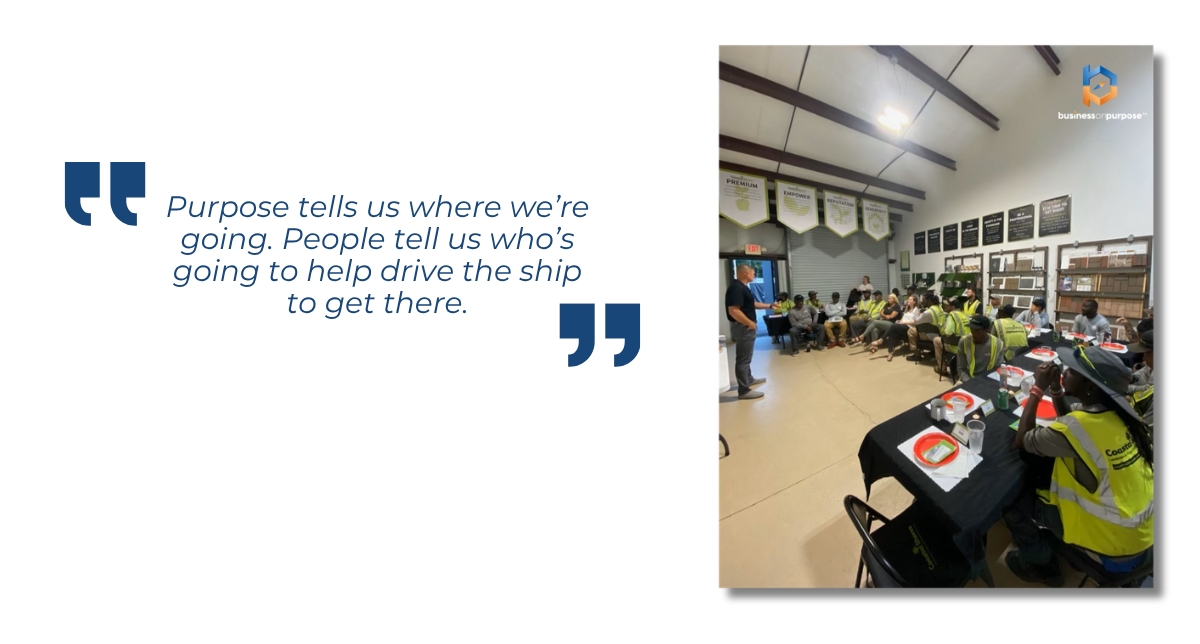
“Purpose tells us where we’re going. People tell us who’s going to help drive the ship to get there.”
- The Micro Operating System
Once the foundation is clear, you move closer to the ground level.
This is where execution happens.
There are four core systems:
- Marketing
- Sales
- Operations
- Administration
The order matters. Marketing comes first because it drives everything else. Without it, there is no pipeline.
Each of these areas contains processes that directly impact how your business delivers value.
The Process Mapping Hack: MDT on RPM
To build a real operational plan, you need a simple system you can actually follow.
Here is the framework:
MDT: Map, Document, Train
Map
List out every process in your business. Use a simple framework across marketing, sales, operations, and admin. Do not overthink it. Just name each process.
Document
Record yourself doing the task. Use video, voice notes, or written steps. This becomes instant training material.
Train
Review and improve processes regularly. Train your team weekly. Ask what is working and what needs to change.
RPM: Repetition, Predictability, Meaning
As you build your system, focus on:
- Repetition so tasks are consistent
- Predictability so outcomes improve
- Meaning so your team understands why their work matters
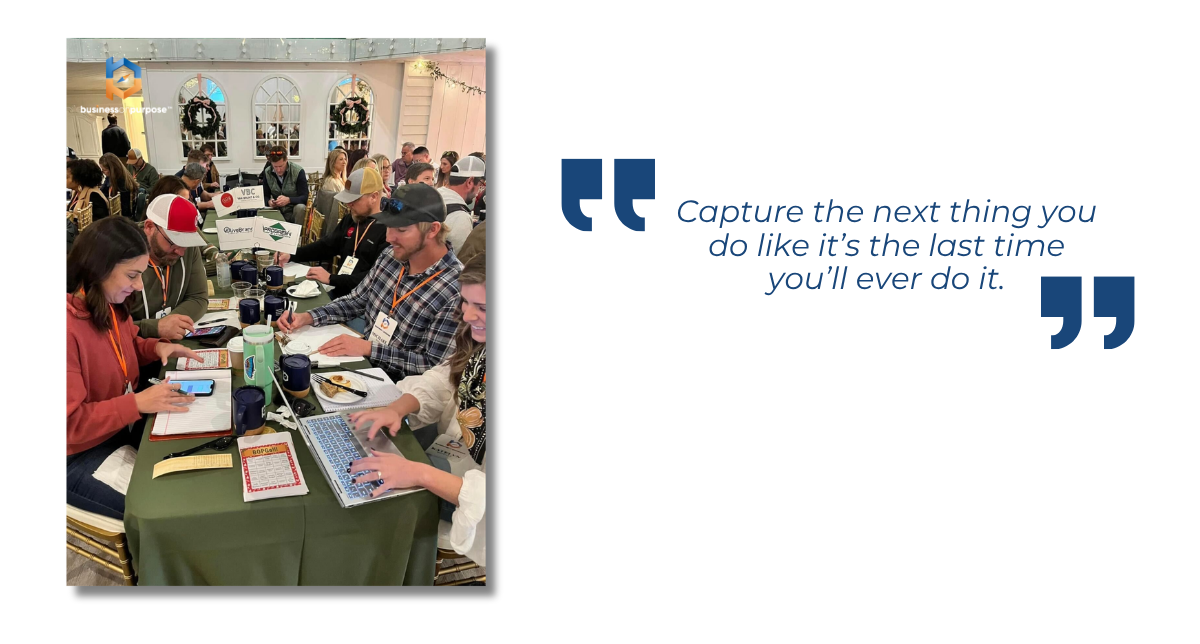
“Capture the next thing you do like it’s the last time you’ll ever do it.”
This mindset helps you build systems without stopping your business.
Build As You Go
You do not need to pause everything and disappear for a week to build your operational plan.
Start small.
Document tasks as you perform them. Capture processes in real time. Build your system step by step.
Over time, you will create a business that runs with clarity instead of chaos.
Final Thoughts
An operational plan is not just a document. It is the foundation of how your business runs every day.
It gives you:
- Direction
- Structure
- Confidence
- Control
Without it, everything depends on you. With it, your business can scale, adapt, and thrive.
If your business feels chaotic or reactive, it is time to take control.
Start mapping your processes today. Build your operating system one step at a time. And if you need guidance, take the next step and dive deeper into building your strategic plan and vision.
Clarity is closer than you think. You just need a plan.
Scott Beebe is the founder of Business On Purpose (mybusinessonpurpose.com) and speaker for the AEC industry and author of the book Let Your Business Burn: Stop Putting Out Fires, Discover Purpose, and Build a Business That Matters. Business On Purpose works with business owners to articulate purpose, people, process, and profit to liberate owners from chaos and make time for what matters most.